
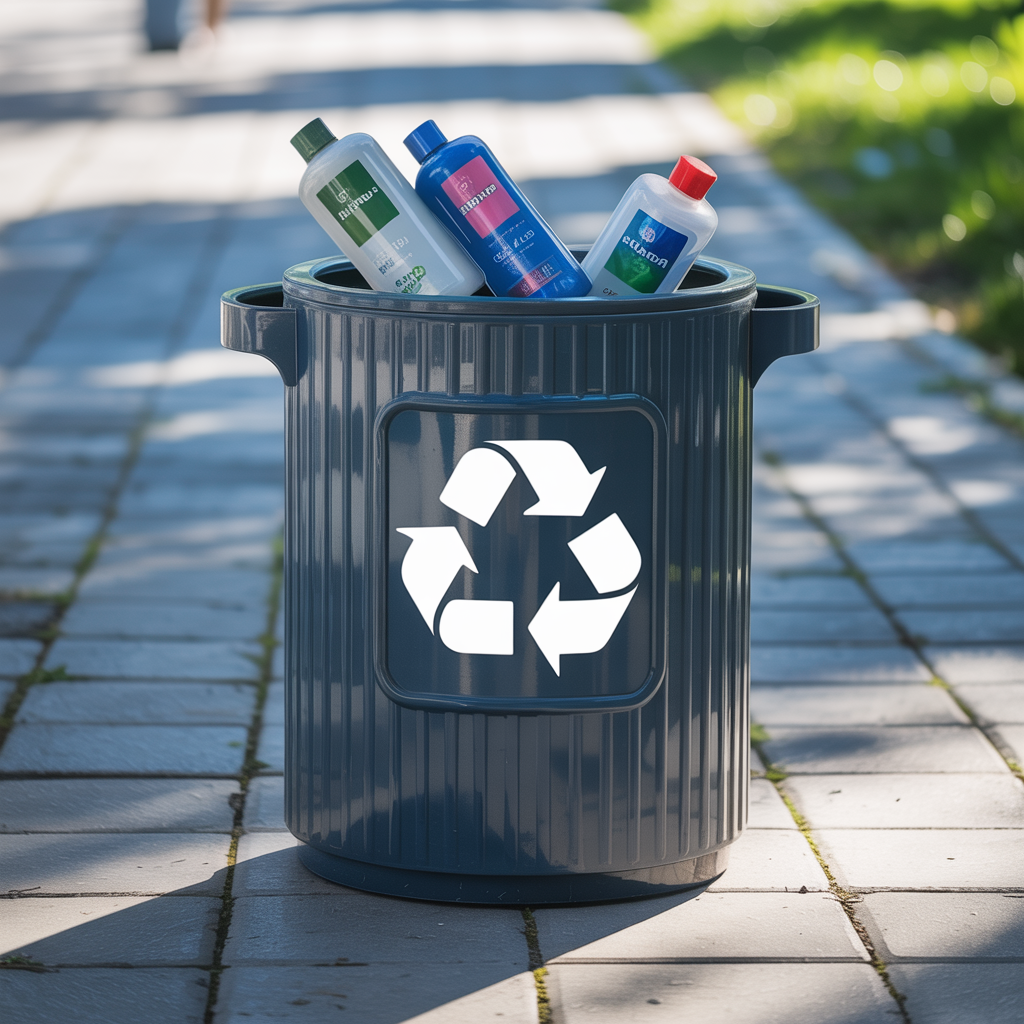
Take a moment and visualize the contents of your bathroom trash can at the end of a typical week. It’s likely a landscape of disposable razors, empty plastic shampoo bottles, single-use cotton pads, plastic dental floss containers, and endless packaging. The modern bathroom, in its pursuit of convenience, has accidentally become one of the most wasteful rooms in our homes.
This constant cycle of consumption and disposal not only burdens our planet but also our wallets. But what if there was another way? What if you could transform this space into a bastion of sustainability, creativity, and mindful consumption?
Welcome to the 7-Day Zero-Waste Bathroom Challenge. This is more than just a list of tips; it’s a structured, week-long journey designed to fundamentally reshape your relationship with the products you use every day. We will systematically audit your habits, explore powerful and sustainable swaps, and unleash our creativity to reuse items in beautiful new ways.
This is a core practice in Creative Urban Self-Sufficiency—proving that even in a bustling city apartment, you can make choices that have a significant, positive impact.
The goal here is not immediate perfection, but conscious progress. Prepare to be amazed at how much waste you can eliminate in just one week. Let the challenge begin.
The Philosophy: Understanding the “5 Rs” of Zero Waste
Before we start the challenge, it’s essential to understand the guiding principles. The zero-waste movement is built upon a simple hierarchy of actions, often called the “5 Rs”.
- Refuse (Recusar): This is the most powerful step. Learn to say “no” to things you don’t need, such as free miniature hotel toiletries, single-use samples, and promotional items.
- Reduce (Reduzir): Consciously lessen what you consume. This means buying fewer products, choosing items with minimal packaging, and resisting impulse purchases of cosmetics you won’t use.
- Reuse (Reutilizar): This is the heart of our challenge. It involves swapping disposable items for durable, reusable alternatives and finding new, creative purposes for objects that would otherwise be thrown away.
- Recycle (Reciclar): This should be a last resort for items that cannot be managed by the first three Rs. While recycling is important, it’s an energy-intensive process. In cities like São Paulo, knowing your local collection rules is key.
- Rot (Compostar): This refers to composting organic waste. In the bathroom, this can include hair from your brush, nail clippings, and cotton swabs or rounds made from natural materials like bamboo and cardboard. This is a topic I explore deeply in my guide to Composting in Small Spaces.
Preparation: The Pre-Challenge Bathroom Audit
To measure your success, you must first know your starting point. This quick audit will reveal your biggest opportunities for change.
- The Trash Can Audit: For one or two days before you start, pay close attention to what you throw away. What are the most common items? Cotton pads? Q-tips? Floss containers? These are your primary targets for replacement.
- The Cabinet & Shower Audit: Open your cabinets and look at your shower shelf. How many plastic bottles are there? How many half-empty products have you forgotten about? This inventory reveals your consumption patterns.
- Set Your Intention: Acknowledge that this is a journey. Your goal for this week is not to become perfectly zero-waste, but to make a few significant, lasting changes. Celebrate progress, not perfection.
The 7-Day Zero-Waste Bathroom Challenge
Each day, we will focus on one specific area of the bathroom, introducing sustainable swaps and creative reuse ideas.
Day 1: The Switch to Solid Bars (The Bottle Purge)
- The Focus: Eliminating the army of plastic bottles for shampoo, conditioner, and body wash.
- The Challenge: Commit to replacing at least one of your bottled products with a solid bar alternative. Shampoo bars, conditioner bars, and soap bars are widely available from incredible artisanal brands in Brazil and online.
- Why It Works: Solid bars are highly concentrated, meaning one bar can last as long as 2-3 plastic bottles. They come with minimal, often paper-based, packaging and are fantastic for travel.
- Creative Reuse Idea: Don’t just throw away your old, beautiful plastic or glass pump bottles! Clean them thoroughly and reuse them for your own DIY cleaning products or to decant bulk hand soap.
Day 2: Reinventing Your Oral Care Routine
- The Focus: The endless cycle of plastic toothbrushes and floss containers.
- The Challenge: Swap your plastic toothbrush for a bamboo one. Bamboo is a fast-growing, sustainable grass, and the handle can be composted after the bristles are removed. For floss, explore options like silk floss in a refillable glass vial or consider a water flosser (a long-term investment that eliminates disposable floss entirely).
- Why It Works: Billions of plastic toothbrushes end up in landfills and oceans every year. This simple swap makes a tangible difference.
- Creative Reuse Idea: Old plastic toothbrush heads are excellent, heavy-duty scrubbing tools for cleaning tough grout lines in the shower or around faucets.
Day 3: The Art of the Reusable Swap
- The Focus: Single-use cotton products and menstrual care.
- The Challenge:
- Replace disposable cotton rounds with reusable, washable fabric rounds for makeup removal and applying toner.
- For menstrual care, research one reusable option: the menstrual cup, period-proof underwear, or washable cloth pads. This is a significant swap that saves an immense amount of waste and money over time.
- Why It Works: This directly targets items that are thrown away daily or monthly, creating a constant stream of waste. Reusables break that cycle.
Day 4: DIY Skincare & Creative Repurposing
- The Focus: Reducing packaged skincare and finding beauty in “waste”.
- The Challenge: Make one simple DIY skincare product from kitchen ingredients. A fantastic starter recipe is a coffee ground body scrub. Simply mix used (but dried) coffee grounds with a bit of coconut or olive oil and a spoonful of sugar. It’s an incredible exfoliator that makes use of something you would have composted.
- Why It Works: This empowers you to create effective products with zero packaging, using ingredients you already have.
- Creative Reuse Idea: That small, beautiful glass jar from an expensive face cream? Once thoroughly cleaned, it becomes the perfect container for your homemade lip balm, a travel pill case, or for storing small earrings.
Day 5: Mastering the Zero-Waste Shave
- The Focus: Disposable plastic razors and their expensive cartridges.
- The Challenge: Research and consider investing in a classic safety razor.
- Why It Works: A safety razor has a durable metal handle that lasts a lifetime. The only disposable part is the thin, stainless steel blade, which is widely recyclable and incredibly inexpensive compared to plastic cartridges. Paired with a shaving soap bar instead of canned foam, this is one of the most elegant and cost-effective zero-waste swaps.
Day 6: The Paper Problem & The Brazilian Solution
- The Focus: The environmental impact of toilet paper.
- The Challenge: When buying your next batch of toilet paper, actively seek out options that are made from 100% recycled paper or bamboo and are wrapped in paper, not plastic. For those in Brazil looking to take a bigger step, this is the day to appreciate the “ducha higiênica” (hygienic shower). A bidet or ducha, common in many Brazilian bathrooms, drastically reduces the need for toilet paper, offering superior hygiene and significantly less waste.
Day 7: Creating Your Long-Term Systems
- The Focus: Turning a one-week challenge into a lasting lifestyle.
- The Challenge: Designate permanent systems in your bathroom.
- Place a small, attractive container on your counter to hold your reusable facial rounds.
- Set up a small, sealed bin for bathroom compostables (hair, nail clippings, bamboo Q-tips).
- Find a spot for a jar to collect “hard-to-recycle” items like old electric toothbrush heads or cosmetic packaging that might be accepted by specialized programs like TerraCycle.
Frequently Asked Questions (FAQ)
- Going zero-waste seems expensive upfront. How can I do this on a budget?
- This is a common misconception. While some items like a safety razor have a higher initial cost, they save you a huge amount of money in the long run. The key is to not replace everything at once. Use up what you already have. Start with the cheapest swaps: switch to a soap bar, make your own scrub. The “R” of “Refuse” is completely free and the most effective step of all.
- I tried a shampoo bar and my hair felt weird. Are there other options?
- Yes! There can be a “transition period” as your hair adjusts to being free from the silicones in many commercial shampoos. Also, not all bars are created equal. Try a different brand with a different formulation. Alternatively, look for stores in your city that offer bulk liquid shampoo refills, allowing you to reuse your own bottles.
- What do I do with all my half-empty plastic bottles now? Should I just throw them away?
- No, the most sustainable option is to use them up completely. Once they are empty, clean them thoroughly and see if you can repurpose them for your DIY cleaners or other storage needs before recycling them as a last resort.
- Is it really sanitary to use reusable items like cloth menstrual pads?
- Absolutely. When cared for properly, they are perfectly sanitary. Modern reusable menstrual products are made from highly absorbent, often antimicrobial, fabrics. The key is to have a good washing routine (rinsing in cold water soon after use, followed by a machine wash). They are a safe, healthy, and incredibly empowering alternative.
- My family isn’t on board with this challenge. How can I manage a low-waste bathroom in a shared space?
- Focus on your own habits first. Lead by example, not by lecturing. Manage your own swaps: your toothbrush, your razor, your skincare. You can introduce changes that benefit everyone, like a recycling bin in the bathroom or switching to recycled toilet paper. Often, when others see the benefits (and the beautiful aesthetic of many zero-waste products), they become curious and more open to change.
Beyond the Bathroom: A Mindset for Life
Congratulations! You have completed the 7-Day Challenge. Look at your bathroom now. It’s likely calmer, more organized, and producing significantly less trash. But the most important change isn’t in the room; it’s in your mindset. You have learned to question convenience, to see potential in what was once waste, and to make intentional choices that align with your values. This is the very soul of Creative Urban Self-Sufficiency. You’ve proven that you don’t need a sprawling homestead to live a more sustainable and resourceful life. You can start right here, in the heart of the city, in the smallest room of your home.

C. Holmes is the keen analytical mind behind Infinitas Minds, a blog dedicated to revolutionizing the way we approach home economics. With a meticulous eye for detail and a passion for logical solutions, C. Holmes tackles everyday challenges to reveal hidden opportunities for efficiency and savings. His mission is to simplify life, spark innovation, and offer practical, insightful approaches for navigating our often-complex world with greater ease and financial clarity.
Driven by a belief that true mastery of home economics lies in understanding the ‘why’ and ‘how’ behind every decision, C. Holmes curates comprehensive guides, actionable experiments, and groundbreaking perspectives. Expect a blend of sharp analysis, creative problem-solving, and a touch of ingenuity in every piece, empowering readers to transform their homes into havens of efficiency and peace.