
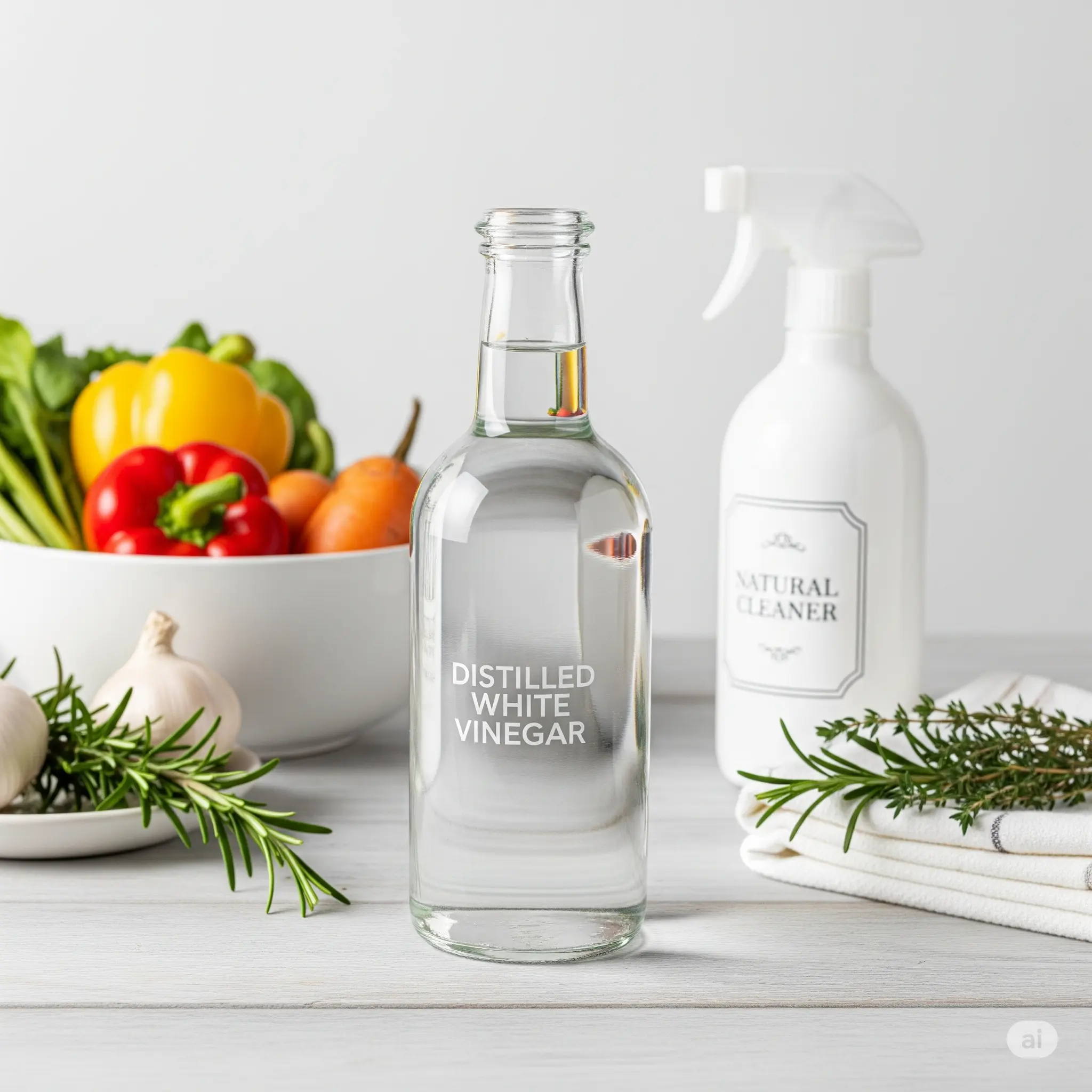
Do you have a bottle of vinegar tucked away in your pantry, pulled out only for salad dressings or the occasional pickle? If so, you’re missing out on one of the most versatile, economical, and environmentally friendly powerhouses in your home!
Vinegar, the humble liquid born from fermentation, is a true unsung hero, capable of transforming your cooking, revolutionizing your cleaning routine, and saving you significant money. Here at Infinitas Minds, I believe in empowering you to unlock the full potential of everyday ingredients for smarter, more efficient living.
This comprehensive dossier, brought to you by C. Holmes, delves deep into the surprising and multifaceted uses for vinegar that extend far beyond the culinary. We’ll explore how different types of vinegar can enhance flavors, preserve food, tackle tough grime, and even contribute to personal care, all while reducing your reliance on expensive specialty products. Get ready to turn this kitchen staple into your go-to solution for countless household needs.
You’ll see a multi-purpose marvel, empowering you to live more economically and sustainably. Are you ready to discover the endless possibilities? Let’s dive in!
Understanding Vinegar’s Versatility: More Than Just a Condiment
Vinegar is essentially diluted acetic acid produced through a two-step fermentation process. First, yeast converts sugars into alcohol, and then acetic acid bacteria convert that alcohol into acetic acid. This acidic nature is what gives vinegar its incredible power, making it a natural fit for a myriad of uses for vinegar far beyond its role as a tangy condiment.
Its versatility stems from its unique properties:
- Acidity: Excellent for cutting grease, dissolving mineral deposits, and tenderizing food.
- Antimicrobial Properties: Naturally inhibits the growth of certain bacteria, making it useful in cleaning and some food preservation.
- Flavor Enhancer: Its sharp, tangy profile can brighten dishes, balance richness, and activate flavors.
- Economical: A large bottle of distilled white vinegar is incredibly inexpensive, offering a cost-effective alternative to many specialized products.
- Eco-Friendly: A natural, biodegradable product that reduces the need for harsh chemicals in your home.
Understanding these fundamental properties is the first step to unlocking the full potential of this unsung hero in your smart kitchen and home.
Unlocking Vinegar’s Power in Your Smart Kitchen
Ready to transform your perception of this pantry staple? The C. Holmes Dossier reveals how to leverage vinegar’s diverse uses for vinegar to streamline your kitchen, enhance your meals, and save money. My approach emphasizes practical application and understanding why vinegar works, empowering you to use it effectively.
This dossier will cover:
- Vinegar’s role in smart cooking and flavor enhancement.
- Its surprising utility in economical home cleaning.
- Lesser-known uses for personal care and beyond.
- A guide to choosing the right vinegar for the job.
By exploring these facets, you’ll gain confidence in utilizing vinegar as a versatile, money-saving tool throughout your home.
Vinegar for Smart Cooking & Flavor: Elevating Your Culinary Creations Economically
Beyond the salad bowl, vinegar plays a transformative role in cooking, offering a burst of flavor, acting as a natural tenderizer, and even aiding in food preservation. Understanding these culinary uses for vinegar can significantly elevate your dishes while often contributing to economy.
- Enhancing Flavor & Acidity: A splash of vinegar can brighten a dish, cut through richness, or awaken dormant flavors.
- Add a teaspoon of red wine vinegar to a pot of lentil soup or chili to make the flavors “pop.”
- A dash of apple cider vinegar in mashed potatoes adds a subtle tang.
- Use it to deglaze a pan after searing meat or vegetables, creating a flavorful fond.
- Tenderizing Meats & Marinades: The acid in vinegar helps to break down tough meat fibers, resulting in more tender poultry, pork, or beef.
- Use 1-2 tablespoons of vinegar (apple cider or white) per cup of marinade for chicken, pork chops, or steak.
- Soak tougher cuts of meat in a mixture of vinegar and water (1:1 ratio) for an hour before cooking.
- Quick Pickling & Food Preservation: Vinegar is a foundational ingredient in pickling, extending the shelf life of vegetables and adding a delicious tangy flavor.
- Quick Pickles: Thinly slice cucumbers, red onions, or carrots. Pack them into a jar and cover with a warm mixture of equal parts vinegar (white or apple cider) and water, plus salt and a pinch of sugar. Refrigerate for a few hours for instant pickles. (This complements our guides on “Mastering Home Freezing” and other preservation techniques in Smart Kitchen).
- Fruit Wash: A quick soak in diluted vinegar (1 part vinegar to 3 parts water) helps clean fruits and vegetables, potentially extending their freshness.
- Baking & Leavening Agent: When combined with baking soda (bicarbonate of soda), vinegar creates a reaction that produces carbon dioxide gas, acting as a leavening agent.
- Use 1 teaspoon of vinegar for every 1 teaspoon of baking soda in recipes (e.g., in some vegan baked goods, or when buttermilk is called for but not available).
These culinary uses for vinegar showcase its incredible versatility and contribution to smart, flavorful cooking.
Vinegar for Economical Home Cleaning: Natural Solutions for a Spotless Home
Move over, expensive chemical cleaners! Distilled white vinegar is a remarkably effective, non-toxic, and incredibly economical solution for a vast array of household cleaning tasks. Its acidity makes it a natural degreaser, deodorizer, and disinfectant, proving its worth for countless uses for vinegar in every room.
- All-Purpose Cleaner: Mix equal parts white vinegar and water in a spray bottle. Add a few drops of essential oil (e.g., lemon, tea tree) for scent. Use on countertops (avoid natural stone like marble/granite), sinks, and appliances.
- Descaling & Mineral Deposit Remover: Vinegar effectively dissolves mineral buildup from hard water.
- Showerheads: Soak a plastic bag filled with vinegar over the showerhead overnight.
- Coffee Makers/Kettles: Run a cycle with equal parts water and vinegar, then rinse thoroughly.
- Faucets: Wrap vinegar-soaked cloths around mineral-encrusted faucets.
- Laundry Booster & Fabric Softener: Add 1/2 cup of white vinegar to the rinse cycle of your washing machine.
- It helps remove detergent residue, soften fabrics naturally (without chemicals), and eliminate odors.
- Great for sensitive skin. (Complements our guide on “Mastering Your Laundry Routine”).
- Window & Glass Cleaner: Mix equal parts white vinegar and water. Spray onto glass and wipe with a microfiber cloth or crumpled newspaper for streak-free shine.
- Odor Eliminator: Vinegar neutralizes odors.
- Place a small bowl of white vinegar in a room to absorb stale smells.
- Spray diluted vinegar in trash cans or on pet stains (test first).
- Pour down drains to freshen.
These economical cleaning uses for vinegar prove that you don’t need a cabinet full of specialized products to keep your home spotless and fresh.
Vinegar for Personal Care & Beyond: Surprising Uses for Everyday Savings
The versatility of vinegar extends even further, offering surprising uses for vinegar in personal care and various household tasks, often providing natural, budget-friendly alternatives to store-bought products.
- Hair Rinse (Apple Cider Vinegar – ACV): A diluted ACV rinse (1 part ACV to 4-5 parts water) used after shampooing (and before conditioner) can help remove product buildup, balance scalp pH, and add shine to hair. Use sparingly and rinse well.
- Natural Weed Killer (White Vinegar): For pesky weeds in cracks or on patios (use with caution on lawns as it will kill grass too). Spray undiluted distilled white vinegar directly onto weeds on a sunny day. Use responsibly and avoid contact with desired plants.
- Fruit & Vegetable Wash: A quick soak or spray with diluted vinegar (1 part white vinegar to 3 parts water) helps remove dirt, pesticides, and bacteria from produce. Rinse thoroughly afterward.
- Ant Repellent: A spray of white vinegar mixed with water can deter ants, as they dislike the smell and it disrupts their scent trails.
- Flower Freshener: Add a teaspoon of white vinegar to flower vase water to help cut flowers last longer.
These diverse uses for vinegar highlight its power as a truly multi-functional, economical product for your smart home.
Choosing the Right Vinegar for the Job: A Quick Guide
With so many types of vinegar available, knowing which one to use for specific tasks is key to maximizing its effectiveness. While many uses for vinegar are interchangeable with distilled white vinegar, others benefit from a different variety.
- Distilled White Vinegar: Your all-purpose powerhouse.
- Best for: Cleaning, laundry, descaling, general household tasks, and pickling (when you want a neutral flavor). It has a higher acetic acid content (usually 5%) and no residual flavor.
- Apple Cider Vinegar (ACV): Made from fermented apple cider.
- Best for: Salad dressings, marinades, some baking (due to its fruitier, milder flavor), and personal care (e.g., hair rinse). Its flavor is less aggressive than white vinegar.
- Red Wine Vinegar / White Wine Vinegar: Made from fermented red or white wine.
- Best for: Salad dressings, marinades, pan sauces, and deglazing. Adds a more complex, wine-like flavor to dishes.
- Balsamic Vinegar: Aged, thick, and sweet, made from grape must.
- Best for: Drizzling over salads, roasted vegetables, or fruits. It’s primarily a finishing vinegar due to its robust flavor and higher cost. Not suitable for cleaning.
- Rice Vinegar: Milder and often sweeter than other vinegars.
- Best for: Asian cuisine, sushi rice, salad dressings, and marinades where a subtle acidity is desired.
By understanding the unique properties of each, you can select the perfect vinegar for any of your uses for vinegar, optimizing your results in cooking, cleaning, and beyond.
Vinegar: Your Smart Home’s Unsung All-Star
The humble bottle of vinegar, often underestimated, is truly an unsung all-star in your smart home. As C. Holmes has revealed, its incredible versatility extends far beyond basic culinary applications. By understanding its acidic power, you unlock countless uses for vinegar that can transform your cooking, revolutionize your cleaning routine, and generate significant savings in your budget.
Embrace this economical and eco-friendly powerhouse. From brightened dishes and natural cleaning solutions to surprising personal care hacks and ingenious food preservation, vinegar empowers you to live more intentionally and sustainably. Let this guide inspire you to see the extraordinary in the ordinary, making every drop of vinegar count. Continue exploring the possibilities of your smart kitchen and home by checking out our Smart Kitchen category for more Ingredient Dossiers and economical living tips!
FAQs: Your Vinegar Questions Answered by C. Holmes
Here are answers to common questions I receive about the uses for vinegar:
- Is distilled white vinegar safe for all surfaces when cleaning? While generally safe, avoid using undiluted white vinegar on natural stone surfaces (like marble, granite, or travertine) as its acidity can etch the surface. Always dilute for general cleaning and test in an inconspicuous area first.
- Can I use any type of vinegar for cleaning? Distilled white vinegar is the best and most economical choice for cleaning due to its high acetic acid content and neutral color/smell (when diluted). Other vinegars (like apple cider or balsamic) can leave residues or odors due to their sugar content and distinct flavors, making them less ideal for general cleaning.
- Does vinegar truly disinfect surfaces? Vinegar has antimicrobial properties and can kill some bacteria and viruses, making it a good natural cleaner for many purposes. However, it’s not as strong as commercial disinfectants (like bleach). For serious disinfection needs, it’s best to use products specifically labeled as disinfectants.
- How long do opened bottles of vinegar last? Vinegar has an incredibly long shelf life due to its acidity. While its quality (flavor and acidity) might slightly degrade over time, especially after opening, it generally does not spoil or grow mold. It can last for years in your pantry, making it a great long-term investment.
- Can vinegar replace fabric softener in laundry? Yes! Adding 1/2 cup of white vinegar to the fabric softener dispenser in your washing machine can replace commercial fabric softener. It helps remove detergent residue, softens fabrics, and eliminates odors without leaving a scent or residue. It’s also safer for septic systems.

C. Holmes is the keen analytical mind behind Infinitas Minds, a blog dedicated to revolutionizing the way we approach home economics. With a meticulous eye for detail and a passion for logical solutions, C. Holmes tackles everyday challenges to reveal hidden opportunities for efficiency and savings. His mission is to simplify life, spark innovation, and offer practical, insightful approaches for navigating our often-complex world with greater ease and financial clarity.
Driven by a belief that true mastery of home economics lies in understanding the ‘why’ and ‘how’ behind every decision, C. Holmes curates comprehensive guides, actionable experiments, and groundbreaking perspectives. Expect a blend of sharp analysis, creative problem-solving, and a touch of ingenuity in every piece, empowering readers to transform their homes into havens of efficiency and peace.