
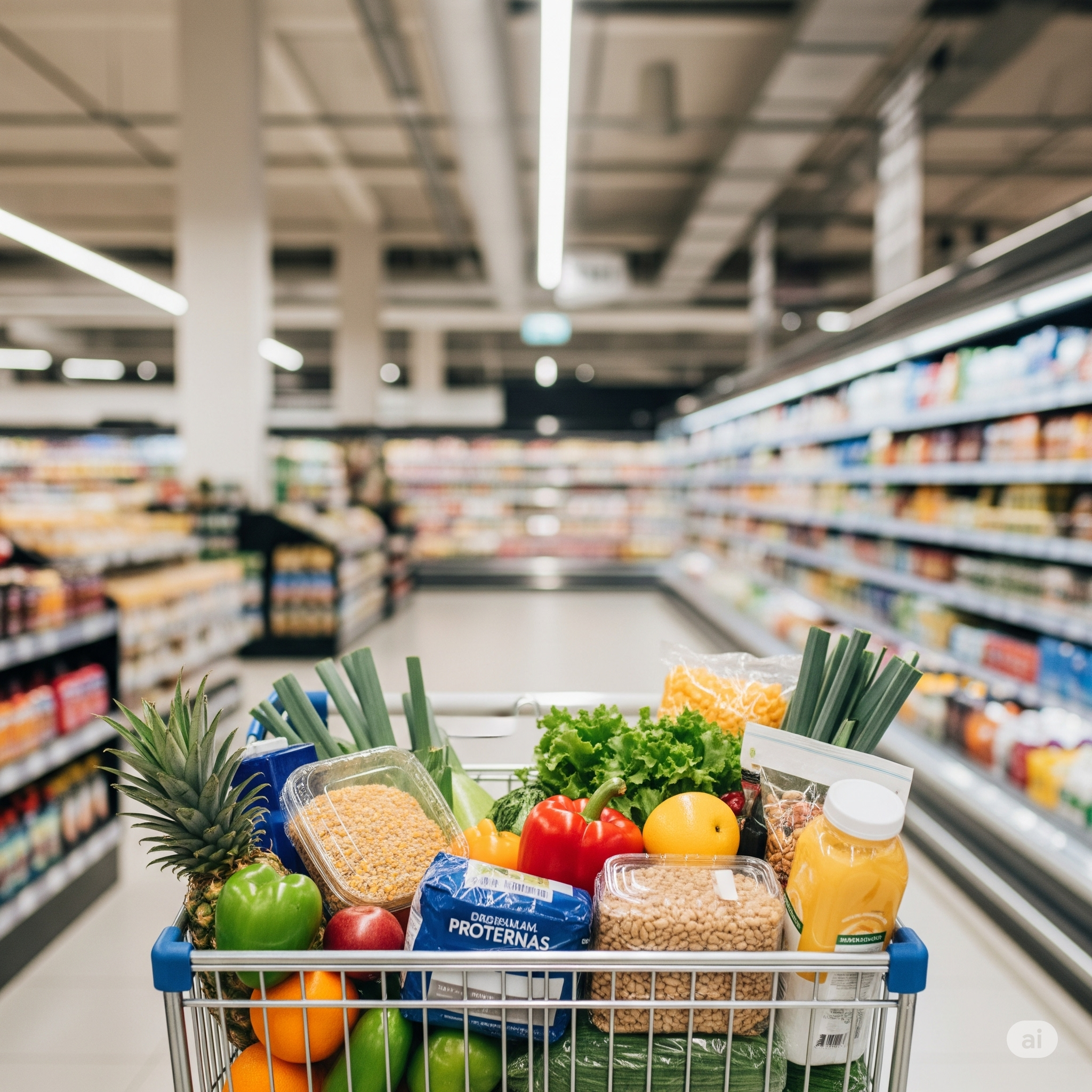
Does your heart race a little faster as you approach the checkout lane at the grocery store, wondering what the final total will be? Do you often leave feeling like you’ve spent too much, or worse, that you forgot half of what you actually needed? You’re not alone. For many of us, grocery shopping feels less like a strategic mission and more like a chaotic scramble.
But what if you could transform your entire approach, turning it into a streamlined, budget-friendly process that saves you time, money, and reduces food waste? Here at Infinitas Minds, I believe in practical, intelligent solutions that make your home life easier and more economical.
This comprehensive guide, brought to you by C. Holmes, is your definitive blueprint for smart grocery shopping. Forget impulse buys and forgotten ingredients; we’re talking about strategic planning, efficient store navigation, and clever post-shopping habits that ensure every dollar spent brings maximum value to your kitchen. Get ready to transform your grocery hauls from a source of stress to a pillar of your smart kitchen.
You’ll have a sustainable system that puts delicious, budget-friendly meals on your table with less effort and more savings. Are you ready to become a master of the grocery aisle? Let’s get started!
Understanding Your Grocery Habits: Why Smart Grocery Shopping is Your Budget’s Best Friend
Many of us approach grocery shopping reactively: we head to the store when the fridge is empty, grab what looks good, and hope for the best. This “wing it” approach often leads to overspending, impulse buys of items we don’t truly need, and ultimately, significant food waste when those items spoil unused. The hidden cost of a disorganized shopping habit can silently sabotage your home budget.
This is where the power of smart grocery shopping truly shines. It’s not just about finding sales; it’s a proactive mindset that integrates planning, purchasing, and post-shopping habits into a cohesive strategy. By adopting a smarter approach, you gain:
- Significant Savings: Reduce impulse buys, avoid forgotten ingredients, and minimize spoiled food, directly impacting your wallet.
- Time Efficiency: Streamline your trips to the store and reduce frantic “what’s for dinner?” moments.
- Reduced Food Waste: Buy only what you need and know how to use, ensuring every ingredient gets a purpose.
- Stress Reduction: Approach grocery day with confidence and a clear plan, transforming a chore into a satisfying accomplishment.
Understanding these benefits is the first step towards making smart grocery shopping your budget’s best friend.
Your Step-by-Step Guide to Smart Grocery Shopping
Ready to revolutionize your grocery routine? The C. Holmes Blueprint for smart grocery shopping is a practical, step-by-step guide designed to make your trips to the supermarket efficient, economical, and stress-free. My approach emphasizes proactive planning and mindful purchasing, ensuring you get the most value for your money.
Here’s what you can expect from this blueprint:
- Integrated Strategy: We’ll cover everything from meal planning to post-shopping storage.
- Focus on Savings: Every step is designed to help you cut down on your food budget without sacrificing quality.
- Practical & Achievable: These aren’t just theories; they’re actionable tips that fit into real-world busy schedules.
- Reduce Waste: Learn how smarter shopping directly translates to less food ending up in the bin.
This blueprint will transform your grocery hauls from a source of dread into a strategic win for your smart kitchen.
Phase 1: Master Your Meal Plan – The Foundation of Smart Shopping
The absolute cornerstone of smart grocery shopping isn’t the coupon binder; it’s a well-thought-out meal plan. Without a plan, you’re buying blindly, which inevitably leads to forgotten ingredients, impulse buys, and a high likelihood of food waste. This initial phase is where you set yourself up for success.
Your Planning Steps:
- Assess Your Week: Before anything else, look at your upcoming week’s schedule. Which nights are busy? Which allow more cooking time? Do you have social engagements or plans for takeout? Factor these in.
- Inventory Your Kitchen: This is crucial for saving money and reducing waste. Before you plan meals, check your pantry, fridge, and freezer. What ingredients do you already have that you can incorporate? Use up expiring produce first. (For more on optimizing your fridge, see our guide on “The Art of the Organized Fridge” in our Practical Organization category.)
- Choose Your Meals: Based on your schedule and inventory, select recipes for each day.
- Start Simple: Don’t overcomplicate it. Begin with familiar, easy recipes.
- Utilize Versatility: Can one protein (e.g., roasted chicken) be used in multiple meals (e.g., chicken and veggies one night, chicken salad the next)?
- Theme Nights (Optional): “Taco Tuesday” or “Pasta Wednesday” can simplify decision-making.
- Plan for Leftovers: Intentionally plan for leftovers to become lunches or another dinner. This doubles your efficiency. (Our “Meal Prep for the Real World” guide offers more in-depth strategies).
A solid meal plan is your compass for targeted, efficient shopping, ensuring every ingredient you buy has a purpose.
Phase 2: Crafting Your Smart Grocery List – Precision for Savings
Once your meal plan is locked in, Phase 2 is about translating it into a precise, money-saving grocery list. This isn’t just a haphazard scribble; it’s a strategic document that prevents impulse buys and ensures nothing is forgotten. A well-crafted list is central to smart grocery shopping.
Your List-Crafting Steps:
- List Every Ingredient: Go through each planned meal and list every single ingredient you’ll need. Be specific about quantities.
- Check Your Inventory (Again!): Cross-reference your comprehensive list with what you already have in your pantry, fridge, and freezer. Only add what you truly need to buy.
- Categorize Your List by Store Aisle: This is a game-changer for efficiency. Group items by supermarket section (e.g., Produce, Dairy, Meat, Canned Goods, Frozen, Bakery, etc.). This minimizes backtracking and wasted time.
- Add Non-Food Essentials: Don’t forget household items, toiletries, or pet supplies if you buy them at the grocery store. Add them to relevant categories.
- Set a Budget (Optional but Recommended): Decide how much you want to spend and try to stick to it. This adds an extra layer of discipline to your smart grocery shopping.
- Use an App or Physical List: Whether it’s a dedicated grocery list app (which can save lists and sync with family) or a trusty notepad, choose what works best for you and stick with it.
A precise grocery list is your shield against overspending and forgotten items, ensuring every trip to the store is productive.
Phase 3: Navigating the Aisles Like a Pro – Smart Choices at the Store
With your smart grocery list in hand, Phase 3 is about executing your plan efficiently and making conscious choices in the store. This is where your smart grocery shopping really pays off, transforming a potentially overwhelming trip into a smooth, budget-friendly mission.
Your In-Store Strategies:
- Stick to Your List (Religiously!): This is the golden rule. Avoid Browse aimlessly, which leads to impulse buys. If it’s not on the list, it’s probably not needed.
- Eat Before You Shop: Never go grocery shopping hungry! Hunger makes everything look appealing and increases the likelihood of buying unhealthy snacks and unnecessary items.
- Check Unit Prices: For packaged goods, compare the “unit price” (price per ounce, per pound, etc.) rather than just the total price. This helps you find the true best value.
- Look Up and Down: Supermarkets often place the most expensive items at eye level. Look on top and bottom shelves for better deals.
- Shop the Perimeter First: The outer aisles of the grocery store typically contain fresh produce, dairy, and meat – the staples of healthy eating. The inner aisles tend to have more processed, less essential items.
- Buy In-Season Produce: In-season fruits and vegetables are usually cheaper, fresher, and more flavorful.
- Consider Store Brands: Often, store brands offer comparable quality to name brands at a fraction of the cost.
- Resist the Checkout Lane Temptations: Those candies and magazines are placed there for a reason. Stay strong!
By becoming a strategic shopper, you’ll optimize your time and money, making every grocery haul a win for your budget.
Beyond the Cart: Unpacking, Storing, and Preventing Waste
Your smart grocery shopping journey doesn’t end at the checkout. The final, crucial phase is how you handle your groceries once you get home. Proper unpacking and storage are vital for maximizing freshness, preventing food waste, and ensuring your budget-friendly meals stay that way.
- Immediate Proper Storage: As soon as you get home, unpack and store groceries immediately.
- Refrigerate perishables first: Raw meats, dairy, and cold produce go in the fridge. (Refer back to “The Art of the Organized Fridge” for zone-by-zone storage tips).
- Pantry items: Store dry goods in airtight containers to extend freshness and prevent pests.
- Prep Ahead (Optional but Recommended): Spend 15-30 minutes washing and chopping some produce for snacks or quick meal additions. This supports your meal prep efforts.
- “Eat Me First” Zone: Designate a visible bin or shelf in your fridge for items that need to be consumed soon (e.g., leftover ingredients, nearing-expiration produce).
- Date Everything: Label leftovers and opened packages with the date they were stored.
- Rotate Stock (“First In, First Out”): When putting away new groceries, place older items of the same type at the front so they are used first.
- Understand Food Longevity: Learn how long different foods last and how best to store them to extend their shelf life. Freezing is your friend for items you won’t use quickly.
By mastering these post-shopping habits, you solidify your smart grocery shopping strategy, ensuring that every carefully selected item is utilized to its fullest potential, saving you even more money and drastically reducing food waste.
FAQs: Your Smart Grocery Shopping Questions Answered by C. Holmes
Here are answers to common questions I receive about smart grocery shopping:
- How can I find the best deals at the grocery store? Start by checking weekly circulars (paper or online) for sales. Use store loyalty cards. Look for manager markdowns on items nearing their expiration date (often bakery, meat, produce). Don’t be afraid to compare unit prices.
- Is it better to shop at one store or multiple stores? It depends on your time vs. savings priorities. Shopping at multiple stores for specific deals can save money, but it costs more time and gas. For most, mastering smart grocery shopping at one or two primary stores is more practical.
- How do I prevent impulse buys? Always shop with a detailed list and stick to it. Eat before you go. Avoid aisles that tempt you if you don’t need anything from them. If something catches your eye, make a mental note, but don’t buy it unless it’s on your next week’s planned list.
- What’s the best way to handle produce to make it last longer? Store fruits and vegetables according to their type (some in the fridge, some on the counter, some in crisper drawers with humidity control). Wash and dry thoroughly only before use, not before storage. Trim off excess greens from carrots or radishes.
- Should I buy in bulk to save money? Bulk buying can save money, but only if you will actually use the entire quantity before it spoils. Consider how much you realistically consume, if you have adequate storage space, and if the unit price is truly lower. Buying in bulk for non-perishables (like pasta, rice, canned goods) or items you can easily freeze is usually a good strategy.

C. Holmes is the keen analytical mind behind Infinitas Minds, a blog dedicated to revolutionizing the way we approach home economics. With a meticulous eye for detail and a passion for logical solutions, C. Holmes tackles everyday challenges to reveal hidden opportunities for efficiency and savings. His mission is to simplify life, spark innovation, and offer practical, insightful approaches for navigating our often-complex world with greater ease and financial clarity.
Driven by a belief that true mastery of home economics lies in understanding the ‘why’ and ‘how’ behind every decision, C. Holmes curates comprehensive guides, actionable experiments, and groundbreaking perspectives. Expect a blend of sharp analysis, creative problem-solving, and a touch of ingenuity in every piece, empowering readers to transform their homes into havens of efficiency and peace.