
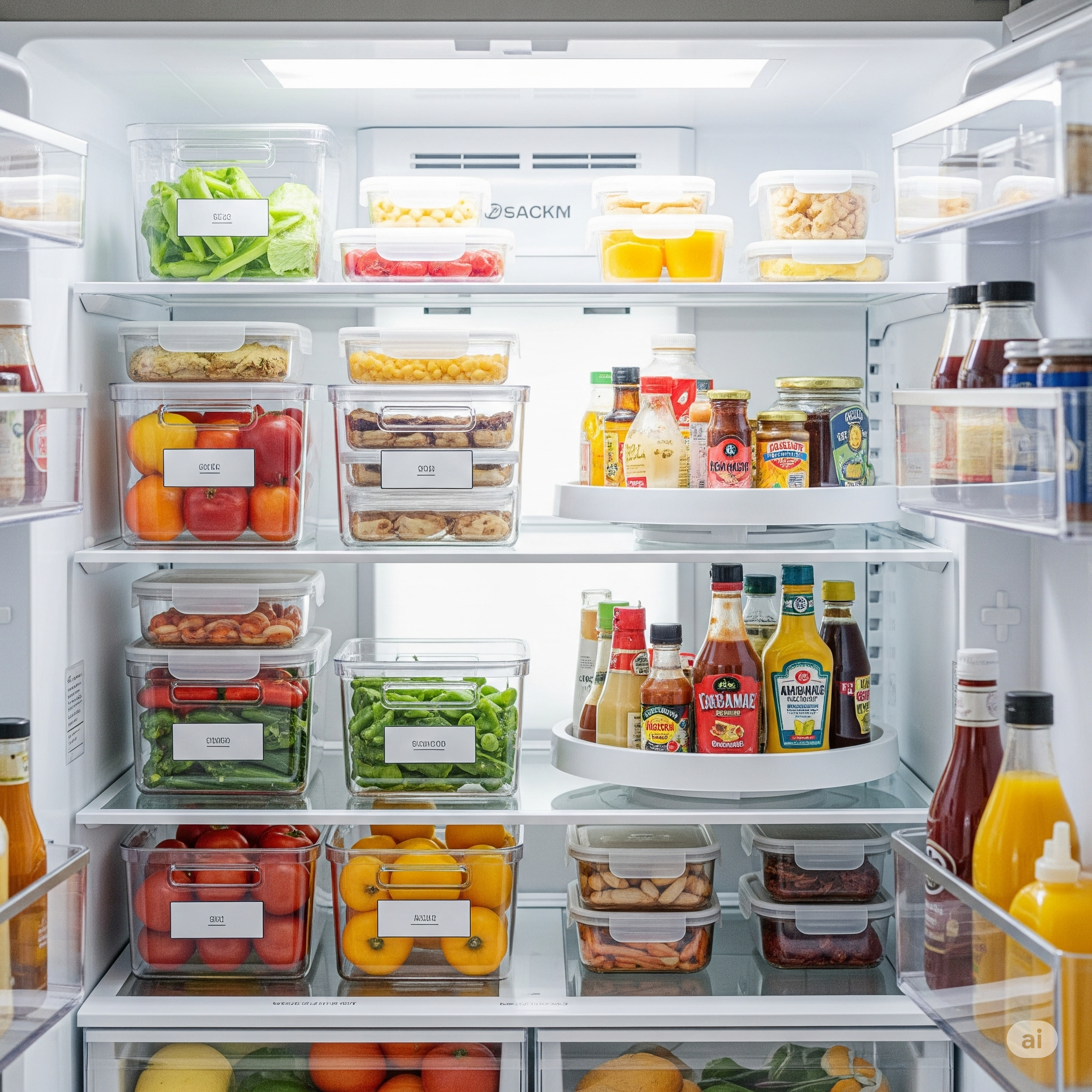
Do you dread opening your refrigerator, only to be met with a jumble of forgotten leftovers, mystery containers, and wilting produce? You’re not alone. A disorganized fridge isn’t just an eyesore; it’s a silent culprit of food waste, wasted money, and unnecessary mealtime stress.
But what if you could transform your fridge into a highly efficient, money-saving powerhouse where every item has its place and food stays fresh longer? Here at Infinitas Minds, I believe in smart, practical solutions that make your home life easier and more economical.
This comprehensive guide, brought to you by C. Holmes, is your definitive blueprint to mastering the organized fridge. We’ll delve into the science of food storage, provide a step-by-step method for decluttering and organizing, and offer practical tips to maximize space and drastically minimize food waste.
Get ready to reclaim your fridge’s potential, simplify your meal prep, and significantly cut down on your grocery bills.
You’ll not only have a spotless, perfectly organized fridge but also sustainable habits that ensure fresher food, more usable space, and real savings for your household. Are you ready to unlock the art of the organized fridge? Let’s get started!
Understanding Your Fridge’s Full Potential: Why an Organized Fridge is a Game-Changer for Your Wallet and the Planet
Your refrigerator is one of the most hardworking appliances in your home, yet it’s often one of the most neglected. We cram food in, hoping for the best, only to discover forgotten produce at the back, past-due condiments, and perfectly good leftovers that have gone bad. This chaotic cycle leads to significant food waste, directly impacting your wallet and contributing to environmental strain.
An organized fridge is much more than just a tidy space; it’s a strategic tool for home economics. When your fridge is systematically arranged, you can:
- Reduce Food Waste: See what you have, use it before it spoils, and reduce the amount of food you throw away.
- Save Money: Less food waste directly translates to fewer grocery purchases and more money in your pocket.
- Streamline Meal Prep: Finding ingredients becomes quick and effortless, making cooking a joy instead of a scavenger hunt.
- Improve Food Safety: Proper storage reduces the risk of cross-contamination and ensures food stays fresher for longer.
- Maximize Space: Utilize every inch efficiently, even in smaller refrigerators.
Understanding this hidden potential is the first step toward transforming your fridge into a powerful ally in your smart kitchen.
The C. Holmes Method: Your Step-by-Step Guide to a Systematically Organized Fridge
Ready to bring order to your refrigerator? The C. Holmes Method offers a systematic, achievable guide to creating a truly organized fridge. This isn’t just a one-time clean; it’s a process that helps you establish habits for lasting freshness and efficiency.
Here’s your step-by-step approach:
- Empty Everything Out: This is crucial. Remove every single item from your fridge and place it on a clean countertop or table. This allows you to see exactly what you have (and what you don’t need).
- Clean Thoroughly: While the fridge is empty, give it a deep clean. Wipe down all shelves, drawers, and walls with a mixture of warm water and a mild cleaner (or white vinegar for an eco-friendly option). Don’t forget the door seals!
- Purge Ruthlessly: As you remove each item, make a quick decision:
- Expired/Spoiled: Toss immediately. No exceptions.
- Mystery Items: If you can’t identify it or remember when it was made, toss it.
- Rarely Used Condiments/Sauces: If it’s been there for months and you rarely use it, consider if it’s truly worth the space.
- Keep: Only items that are fresh, unexpired, and you genuinely plan to use.
- Group Similar Items: Before putting anything back, group like items together (e.g., all dairy, all condiments, all leftovers, all fruits, all vegetables). This is the foundation of your new organized fridge system.
By following these initial steps, you’ll have a clean slate and a clear understanding of your fridge’s contents, ready for optimal organization.
Zone by Zone: What Goes Where in Your Organized Fridge for Maximum Freshness & Longevity
The secret to an organized fridge that truly minimizes food waste lies in understanding temperature zones. Different areas of your refrigerator maintain different temperatures, making them ideal for specific types of food. Storing items in their optimal zones prolongs their freshness and ensures food safety.
Here’s a breakdown of your fridge zones and what belongs in each:
- Top Shelf: This is the warmest area. Ideal for ready-to-eat foods like leftovers (in clear containers!), deli meats, cheeses, and yogurts. Since these items are typically cooked or ready to eat, they are safe from potential drips from raw foods below.
- Middle Shelves: These shelves maintain a more consistent temperature. Perfect for dairy products (milk, butter, eggs – if not in door compartments) and opened jars/condiments that require refrigeration.
- Bottom Shelf (Coldest): This is the coldest part of your fridge. It’s the designated home for raw meats, poultry, and fish. Always store these in sealed containers or on plates to prevent juices from dripping onto other foods and causing cross-contamination.
- Crisper Drawers (Humidity Control):
- High Humidity Drawer (often sealed): Ideal for leafy greens (lettuce, spinach), herbs, and moisture-loving vegetables (broccoli, carrots). The high humidity keeps them from wilting.
- Low Humidity Drawer (often with a vent): Best for fruits that release ethylene gas (apples, pears) and some vegetables (peppers, corn) that prefer a drier environment. Keep fruits and vegetables separate to prevent ethylene-emitting fruits from prematurely ripening (and spoiling) sensitive vegetables.
- Door Compartments: The warmest part of the fridge, as it’s opened frequently. Best for condiments, sauces, jams, and juices. Avoid storing milk or eggs here if you want them to stay consistently cold.
By systematically placing items in their optimal zones, your organized fridge becomes a powerhouse of food preservation, helping you extend the life of your groceries and reduce waste.
Smart Storage Solutions: Maximizing Every Inch of Your Fridge Space (Containers, Bins & More)
Once you understand the zones, the next step in achieving an organized fridge is utilizing smart storage solutions. These tools help maximize every inch of space, keep items visible, and streamline your grab-and-go efficiency.
- Clear, Airtight Containers: Your best friend for leftovers, chopped produce, and prepped ingredients. Clear containers allow you to see what’s inside at a glance, reducing forgotten food. Airtight seals keep food fresher longer.
- Stackable Bins: Use clear plastic bins on shelves to group similar items (e.g., “Breakfast Items,” “Snacks,” “Dinner Prep Ingredients”). This prevents small items from getting lost and makes it easy to pull out a whole category at once.
- Lazy Susans (Turntables): Perfect for corners or deep shelves, especially for condiments and jars. A quick spin brings everything to the front, eliminating forgotten items in the back.
- Drawer Dividers: Keep produce drawers neat by using dividers to separate fruits from vegetables, or different types of produce.
- Egg Cartons/Dedicated Egg Holders: Store eggs in their original cartons or in a dedicated egg holder on a shelf for better temperature stability than the door.
- Mesh Bags (for certain produce): Some vegetables (like onions, potatoes – store outside the fridge in a cool, dark place) and fruits (like berries) benefit from mesh bags for airflow, even in the fridge.
- Magnetic Containers/Clips (for the side of the fridge): Utilize the often-overlooked side walls of your fridge with magnetic containers for small items like spices, or magnetic clips for notes.
By strategically using these storage solutions, you transform your fridge from a chaotic cavern into a highly efficient and visually appealing space, making your organized fridge a true asset in minimizing food waste.
Beyond Organization: Practical Habits to Drastically Minimize Food Waste & Keep Your Fridge Spotless
An organized fridge is a fantastic start, but maintaining it and truly minimizing food waste requires consistent habits. These practical routines will ensure your fridge stays clean, your food stays fresh, and your grocery budget stretches further.
- “Eat Me First” Bin/Shelf: Designate a bin or a shelf in your fridge for items that need to be eaten soon (e.g., leftover ingredients, opened deli meats, produce nearing its prime). Make it a rule to check this spot daily.
- Weekly Fridge Clean-Out (Mini-Reset): Before grocery shopping, dedicate 5-10 minutes to a quick fridge tidy. Remove old items, wipe down spills, and rearrange for the new groceries. This prevents accumulation and makes space. (This complements your “15-Minute Daily Home Reset” by focusing specifically on the fridge).
- Shop with a List & Meal Plan: Always go grocery shopping with a clear list based on your meal plan. This prevents impulse buys and ensures you only buy what you need, reducing excess that might spoil. (Check out our guide on “Meal Prep for the Real World” for more planning tips).
- Store Freshly Bought Items Behind Older Ones: Practice “first in, first out.” When putting away new groceries, place them behind older items of the same type, so you use the older ones first.
- Understand Food Storage: Research how to properly store different foods (e.g., keep tomatoes on the counter, not in the fridge; store potatoes in a cool, dark place outside the fridge). This extends their life significantly.
- Label Leftovers: Date all leftovers with the preparation date. Most cooked leftovers are good for 3-4 days in the fridge.
By adopting these proactive habits, you’re not just maintaining an organized fridge; you’re actively protecting your food investments, streamlining your kitchen, and contributing to a more sustainable and economical home.
FAQs: Your Organized Fridge Questions Answered by C. Holmes
Here are answers to common questions I receive about an organized fridge:
- How often should I deep clean my fridge?
Ideally, a deep clean (removing shelves, wiping everything down thoroughly) should be done every 1-3 months, depending on how messy it gets. A quick wipe-down of spills and a purge of expired items should happen weekly as part of your maintenance routine.
- Can I store all fruits and vegetables in the crisper drawers?
No. While crisper drawers are great for many fruits and veggies, some prefer different environments. Tomatoes, onions, potatoes, garlic, and bananas, for instance, are best stored outside the fridge. Understanding which drawer (high vs. low humidity) to use is also key for longevity.
- What’s the best way to store leftovers to prevent waste?
Store leftovers in clear, airtight containers so you can see what’s inside. Label them with the date. Place “eat me first” items front and center. Plan to use leftovers within 3-4 days, or freeze them immediately if you won’t eat them in time.
- Are those fridge organizers (bins, turntables) really worth it?
Yes, if used strategically! They help contain items, prevent small things from getting lost, and create clear zones, making your fridge much more functional. Start with a few and see what works best for your specific needs.
- How can I make my fridge smell fresh naturally?
A small open box of baking soda in the fridge can absorb odors. Regularly cleaning up spills and discarding spoiled food promptly are the best ways to prevent odors. You can also place a few cotton balls soaked in vanilla extract in a small dish.

C. Holmes is the keen analytical mind behind Infinitas Minds, a blog dedicated to revolutionizing the way we approach home economics. With a meticulous eye for detail and a passion for logical solutions, C. Holmes tackles everyday challenges to reveal hidden opportunities for efficiency and savings. His mission is to simplify life, spark innovation, and offer practical, insightful approaches for navigating our often-complex world with greater ease and financial clarity.
Driven by a belief that true mastery of home economics lies in understanding the ‘why’ and ‘how’ behind every decision, C. Holmes curates comprehensive guides, actionable experiments, and groundbreaking perspectives. Expect a blend of sharp analysis, creative problem-solving, and a touch of ingenuity in every piece, empowering readers to transform their homes into havens of efficiency and peace.