
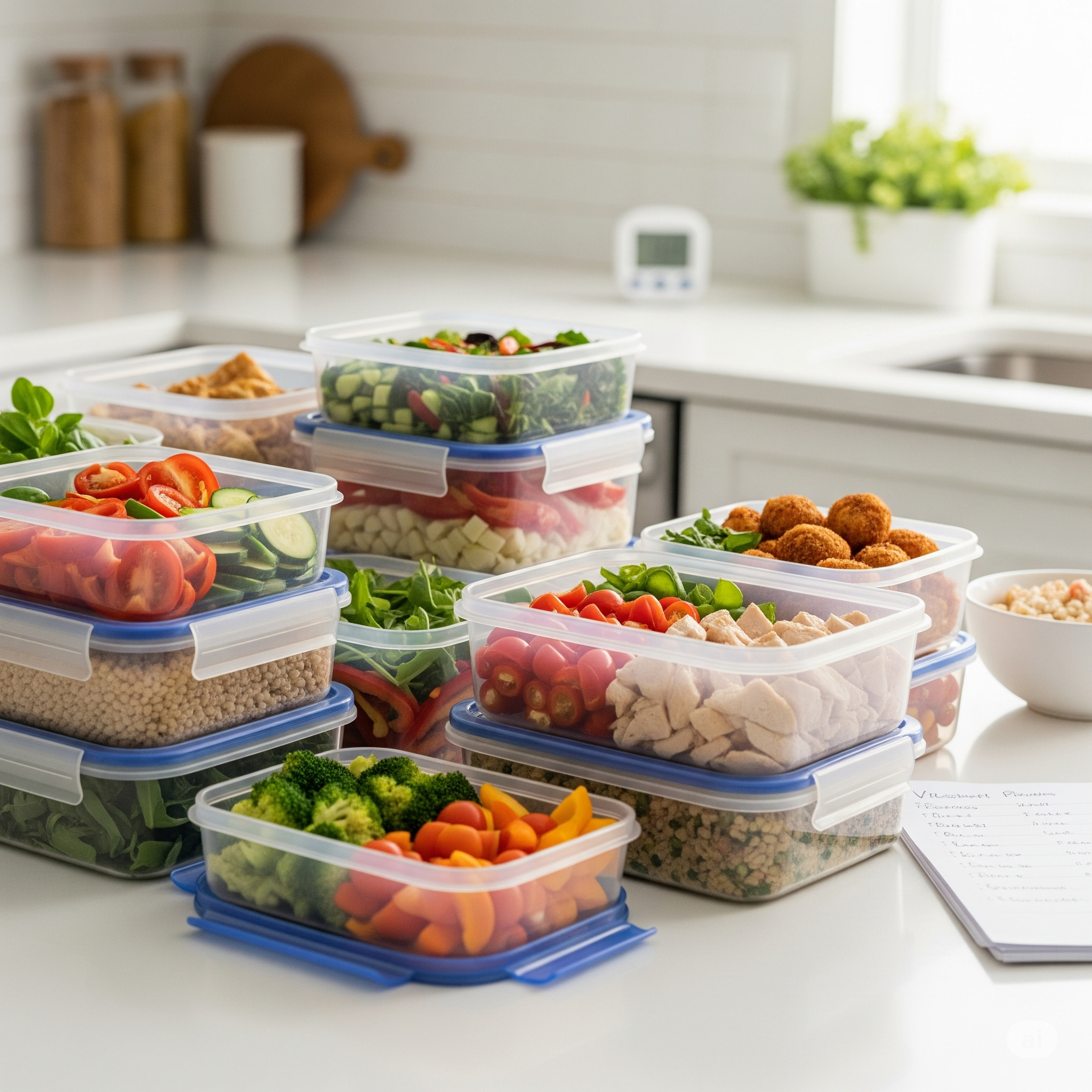
Does the thought of cooking dinner after a long, busy day fill you with dread? Do you often resort to expensive takeout or unhealthy frozen meals simply because you’re too tired to think? You’re not alone. The weeknight dinner dilemma is a universal challenge, but what if I told you there’s a simple, effective solution that saves you time, money, and stress?
Here at Infinitas Minds, I believe in smart, practical solutions that make your home life easier and more enjoyable.
This comprehensive guide, brought to you by C. Holmes, is your definitive planning guide to meal prep for the real world. Forget those unrealistic, picture-perfect Instagram spreads; we’re talking about practical, achievable strategies that fit into your busy schedule.
Get ready to transform your frantic weeknights into calm, delicious evenings, knowing healthy, budget-friendly meals are just minutes away.
You’ll have a sustainable system that streamlines your cooking routine, minimizes food waste, and puts delicious, stress-free dinners back on your table. Are you ready to reclaim your weeknights? Let’s get started!
Understanding the Meal Prep Mindset: Why Prep Saves Your Weeknights
In our fast-paced lives, the idea of preparing healthy, home-cooked meals every night can feel overwhelming. This often leads to resorting to quick, less healthy, and more expensive options like takeout or processed foods. The truth is, a lack of time, decision fatigue after a long day, and the constant threat of food waste are major pain points for many households.
This is where the power of meal prep comes in. It’s not just about cooking in bulk; it’s a strategic mindset that transforms your entire approach to food. By dedicating a focused session to planning and partial cooking, you front-load your effort, saving significant time and mental energy during the week.
The benefits are clear: reduced stress (no more “what’s for dinner?” panic), substantial money savings (less takeout, less spoiled food), improved nutrition (you control the ingredients), and a dramatic decrease in food waste. It’s about leveraging your time wisely to enjoy calmer, healthier evenings.
The C. Holmes Realistic Meal Prep Blueprint: Your Step-by-Step Guide
Ready to unlock the magic of meal prep without the pressure of perfection? The C. Holmes Realistic Meal Prep Blueprint is your actionable, step-by-step guide designed to fit into your busy life. My approach emphasizes efficiency and practicality, ensuring you get the most out of your prep time without feeling overwhelmed.
Here’s what you can expect from this blueprint:
- Tailored to You: This isn’t a one-size-fits-all plan. We’ll focus on methods that work for your schedule and cooking style.
- Focus on Efficiency: Every step is designed to save you time and effort during the week.
- Sustainable Habits: Learn how to make meal prep a consistent, enjoyable part of your routine.
- Minimize Waste: Practical tips to use ingredients fully and reduce food spoilage.
This blueprint will transform your cooking routine from a source of stress to a pillar of your smart kitchen.
Phase 1: Planning Your Prep – Mastering Your Menu & Grocery List
The success of any meal prep routine begins long before you even touch a knife. Phase 1 is all about strategic planning, ensuring you have a clear menu and a precise grocery list. This focused effort upfront saves you time, money, and reduces stress throughout the week.
Your Planning Steps:
- Assess Your Week: Look at your schedule. Which nights are busiest? When do you actually have time to cook? Plan your prep session around your natural downtime (e.g., Sunday afternoon).
- Choose Your Recipes Wisely:
- Start Simple: If you’re new to meal prep, begin with 2-3 recipes that have overlapping ingredients or simple preparation steps.
- Consider Variety: Think about different proteins, vegetables, and cooking methods to keep meals exciting.
- Repurposing Leftovers: Can one component (e.g., roasted chicken) be used in multiple meals (e.g., chicken salad, tacos)? This is a meal prep superpower!
- Build Your Menu: Write down your meals for each day. This prevents decision fatigue and ensures you have a plan.
- Create a Smart Grocery List:
- Check Your Pantry First: Before writing anything down, see what ingredients you already have. This saves money and prevents overbuying. (For more on smart shopping, check out our guide on “The Smart Shopper’s Blueprint” in our Smart Kitchen category).
- Categorize: Organize your list by supermarket sections (produce, dairy, meat, pantry) to make your shopping trip efficient.
- Be Specific: List quantities needed to avoid guesswork.
Thorough planning in Phase 1 is the cornerstone of a successful and stress-free meal prep week.
Phase 2: The Prep Session – Efficient Cooking & Smart Storage
With your plan and groceries in hand, Phase 2 is where the magic of meal prep happens: your dedicated cooking session. The goal here is efficiency – maximizing your output in the shortest possible time.
Your Efficient Prep Session Steps:
- “Mise en Place” First: Before you start cooking, get all your ingredients out, washed, chopped, and measured. This French culinary term means “everything in its place” and vastly speeds up cooking.
- Batch Cook Basics: Focus on preparing foundational components that can be used in multiple meals:
- Roast a big batch of vegetables (broccoli, bell peppers, sweet potatoes).
- Cook a large pot of grains (quinoa, brown rice, pasta).
- Grill or bake a batch of protein (chicken breast, ground meat, lentils).
- Multitask Smartly: While one item is roasting in the oven, chop vegetables for another recipe. While rice cooks, wash dishes.
- Smart Storage: Once cooked, allow food to cool completely before storing it in airtight containers.
- Portion Control: Divide meals into individual portions for quick grab-and-go lunches or dinners.
- Clear Containers: Use transparent containers so you can easily see what’s inside.
- Stackable: Choose containers that stack neatly in your fridge to maximize space. (For more on optimizing your fridge, see our guide on “The Art of the Organized Fridge” in our Practical Organization category).
An efficient prep session on your chosen “prep day” is what truly delivers stress-free weeknight dinners.
Phase 3: Assembling & Enjoying – From Fridge to Table in Minutes
The beauty of meal prep truly shines in Phase 3: the quick assembly and enjoyment of your prepped meals during busy weeknights. This is where your upfront effort pays off, allowing you to have delicious, home-cooked dinners on the table in minutes.
- Mix and Match: Use your prepped components to create varied meals. For example, roasted chicken can become part of a salad, a wrap, or a simple pasta dish.
- Quick Add-Ins: Keep fresh greens, quick-cooking sauces, or pre-chopped aromatics (garlic, onion) on hand to add freshness and flavor without extra cooking time.
- Simple Sides: Complement your prepped mains with minimal-effort sides like steamed rice (if not prepped), a quick side salad, or a piece of fruit.
- Reheating Smartly: Reheat food safely and effectively. Microwaves are fast, but sometimes a quick sauté in a pan can revive flavors and textures, especially for roasted vegetables or proteins.
- Enjoy the Calm: The most important step! Savor your stress-free dinner. Appreciate the time you’ve saved and the effort you’ve put in to make your weeknights easier.
This phase is about maximizing the convenience of your meal prep, transforming frantic evenings into enjoyable culinary experiences.
Troubleshooting Meal Prep: Common Challenges and C. Holmes’s Solutions
Even with the best intentions, meal prep can present its own set of challenges. Don’t let common hurdles derail your efforts! With C. Holmes’s practical solutions, you can overcome these issues and maintain your efficient cooking routine.
- “I get bored with leftovers!”:
- Solution: Focus on prepping components rather than full meals. Cook a big batch of chicken, but plan three different ways to use it (e.g., in a stir-fry, a salad, and a pasta dish).
- Vary seasonings: Store components plain, and add different spices or sauces when assembling.
- “It takes too long!”:
- Solution: Start small. Prep only lunches, or just dinner proteins for the first few days.
- Batch cooking (similar items): If two recipes require chopped onions, chop them all at once.
- Use pre-cut produce: While slightly more expensive, it can save significant time on busy prep days.
- “Food spoils before I eat it all!”:
- Solution: Re-evaluate your portion sizes and how many meals you’re prepping. Start with fewer days (e.g., 3-4 days of prep).
- Proper storage: Ensure food is cooled quickly and stored in airtight containers.
- Freezing: Many cooked components (grains, cooked meats, some sauces) can be frozen for longer storage.
- “My family won’t eat it!”:
- Solution: Involve family members in the menu planning. Ask for their input on meals they’d like to see.
- Deconstruct meals: For picky eaters, present components separately (e.g., chicken, rice, and veggies on a plate, allowing them to mix).
- “Cook-once, eat-twice” strategy: Prepare a base for dinner, and adapt leftovers for lunch or a quick second dinner.
By anticipating these issues and having strategies in place, you can ensure your meal prep routine remains a sustainable and enjoyable habit.
Beyond the Week: Integrating Meal Prep for Long-Term Kitchen Zen
Mastering meal prep isn’t just about surviving one busy week; it’s about integrating this powerful habit into your long-term lifestyle for enduring kitchen zen. The benefits extend far beyond just weeknight dinners, influencing your overall home economics and well-being.
- Consistent Savings: By planning and cooking at home, you consistently reduce reliance on expensive takeout and impulsive grocery runs, leading to significant financial savings over time.
- Reduced Food Waste: A structured meal prep approach means fewer forgotten ingredients and spoiled produce, directly impacting your budget and contributing to a more sustainable household.
- Enhanced Nutrition: Without needing to make specific health claims, the act of cooking at home inherently provides more control over ingredients, supporting healthier eating habits.
- More Free Time: The time saved during busy weeknights accumulates, freeing you up for hobbies, family time, or simply relaxing.
- Increased Confidence in the Kitchen: As you become more adept at meal prep, your overall cooking skills and confidence in the kitchen will grow.
By embracing this strategic approach to your food, you’re not just preparing meals; you’re cultivating a smarter, more efficient, and more peaceful home. Keep refining your processes and enjoy the lasting rewards of your proactive kitchen efforts!
FAQs: Your Meal Prep Questions Answered by C. Holmes
Here are answers to common questions I receive about meal prep:
- How long does meal prep food last in the fridge? Most cooked, prepped meals or components can safely last 3-4 days in airtight containers in the refrigerator. Some items, like cooked grains or hardier vegetables, might last slightly longer. Always use your best judgment regarding freshness.
- Can I freeze meal prepped food? Absolutely! Many items freeze beautifully: cooked grains, cooked meats, chili, soups, stews, and some casseroles. This is excellent for extending longevity. Portion them in freezer-safe containers for easy thawing.
- What are the best containers for meal prep? Airtight, microwave-safe, and freezer-safe containers are ideal. Glass containers are excellent for reheating and durability, while BPA-free plastic containers are lighter and more portable. Look for stackable options to save fridge space.
- How do I prevent my prepped food from getting soggy? Keep dressings separate from salads. Store sauces on the side. If prepping roasted vegetables, let them cool completely before sealing. For items that crisp up (like roasted potatoes), it might be better to reheat them in an oven or air fryer.
- Is meal prep only for weight loss or strict diets? Not at all! While often associated with health goals, meal prep is a fantastic strategy for anyone looking to save time, save money, reduce food waste, and simply enjoy more home-cooked meals with less stress. It’s about efficiency and practicality for any eating style.

C. Holmes is the keen analytical mind behind Infinitas Minds, a blog dedicated to revolutionizing the way we approach home economics. With a meticulous eye for detail and a passion for logical solutions, C. Holmes tackles everyday challenges to reveal hidden opportunities for efficiency and savings. His mission is to simplify life, spark innovation, and offer practical, insightful approaches for navigating our often-complex world with greater ease and financial clarity.
Driven by a belief that true mastery of home economics lies in understanding the ‘why’ and ‘how’ behind every decision, C. Holmes curates comprehensive guides, actionable experiments, and groundbreaking perspectives. Expect a blend of sharp analysis, creative problem-solving, and a touch of ingenuity in every piece, empowering readers to transform their homes into havens of efficiency and peace.