
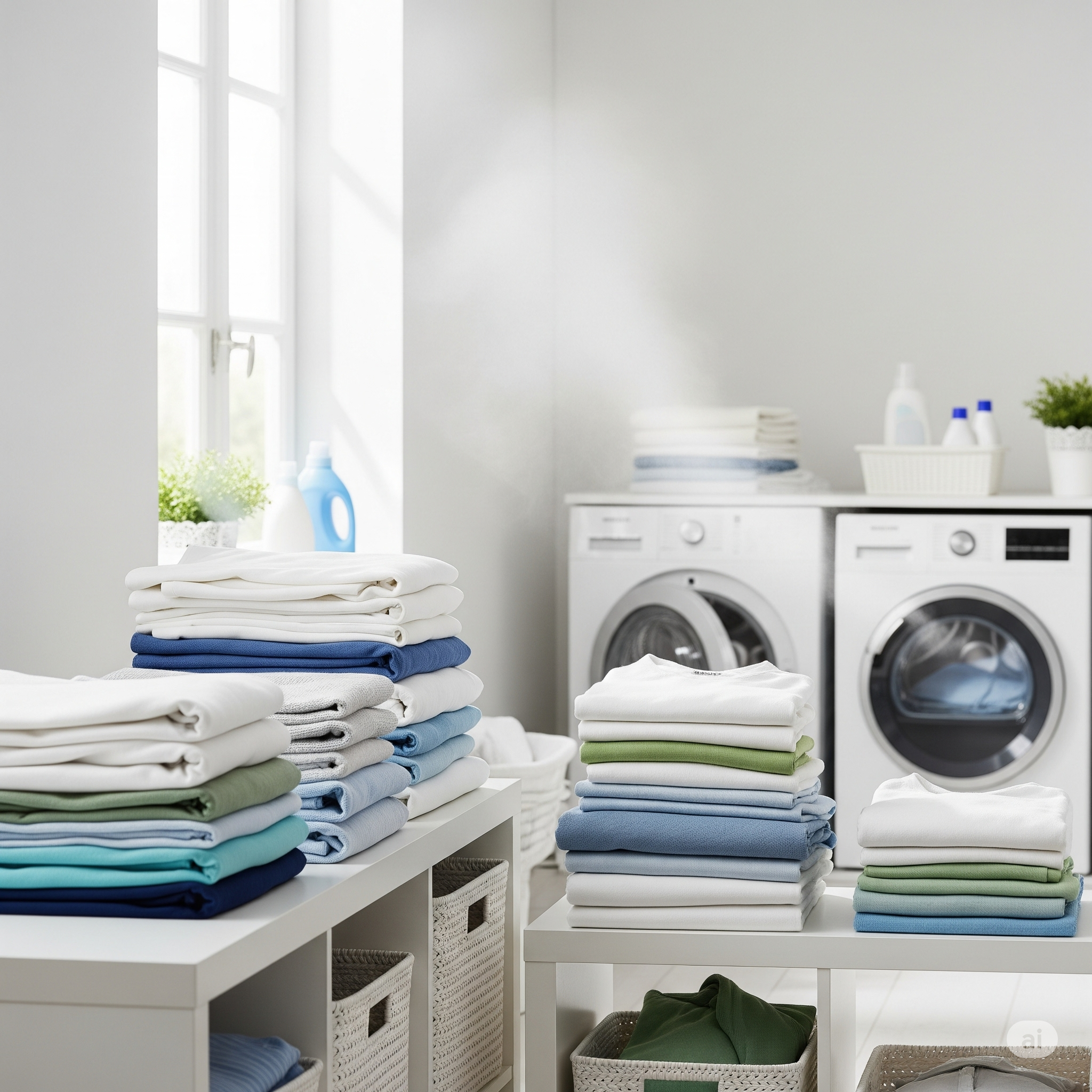
Tired of laundry day feeling like an endless chore? Imagine transforming your laundry routine from a dreaded task into a streamlined process that saves you time, money, and extends the life of your clothes. Here at Infinitas Minds, I’m all about smart solutions for your home, and an efficient laundry system is a cornerstone of practical organization. It’s about more than just getting clothes clean; it’s about optimizing your resources and protecting your investments in your wardrobe.
This ultimate guide, brought to you by C. Holmes, is designed to empower you with the knowledge and techniques needed to master every aspect of your laundry. We’ll dive deep into understanding fabrics, choosing the right products, applying efficient methods, and even troubleshooting common dilemmas.
My goal is to make your laundry routine not just bearable, but genuinely simple and satisfying, giving you more time for what truly matters in your day.
Unlock the secrets to spotless clothes, preserved fabrics, and significant savings on your utility bills. By the end of this guide, you’ll have a clear, actionable framework to approach laundry with confidence, transforming it into a seamless part of your home management. Let’s make laundry day a breeze!
Understanding Your Laundry: Fabric Types and Care Symbols Explained
Before you toss everything into the machine, a little fabric wisdom goes a long way. Understanding different fabric types and what those mysterious symbols on clothing tags mean is the first step to mastering your laundry routine. It protects your garments from damage, ensures proper cleaning, and ultimately saves you money by prolonging their lifespan.
Fabrics react differently to water temperature, agitation, and drying methods. Cotton, for instance, is durable but prone to shrinking in hot water, while synthetics (like polyester and nylon) dry quickly but can be sensitive to high heat.
Delicates (silk, lace, wool) require gentle cycles and often cold water to prevent damage. Pay close attention to the care label, which provides a universal language for laundry instructions:
- Wash Tub Symbol: Indicates washing method (hand wash, machine wash, temperature).
- Triangle Symbol: Relates to bleaching instructions.
- Square Symbol: Denotes drying instructions (tumble dry, line dry).
- Iron Symbol: Specifies ironing temperature.
- Circle Symbol: Refers to dry cleaning instructions.
Knowing these basics helps you make informed decisions, ensuring each item receives the care it needs for optimal longevity and cleanliness.
The C. Holmes Method: Your Step-by-Step Laundry Routine for Efficiency
An efficient laundry routine isn’t about magic; it’s about a systematic approach. The C. Holmes Method breaks down the entire process into logical, manageable steps, designed to minimize effort and maximize results. My goal is to help you establish a consistent flow that makes laundry a less daunting task, freeing up your valuable time.
Here’s my recommended step-by-step approach:
- Preparation (Pre-Wash Prowess): This includes sorting and stain treatment. Don’t skip it!
- Washing (Washing Wisdom): Choose the right settings, load the machine correctly.
- Drying (Drying Dilemmas Solved): Select the best drying method for fabric and energy efficiency.
- Post-Laundry Perfection: Fold, iron (if needed), and put away immediately.
- Maintenance: Regular small habits to prevent laundry from piling up again.
Consistency is key here. By following a structured approach, you’ll find that what once felt like a never-ending cycle becomes a smooth, almost automatic process.
Pre-Wash Prowess: Sorting, Stain Treatment, and Prep for Perfect Laundry
The success of your laundry routine begins long before anything hits the washing machine. Proper pre-wash preparation is critical for protecting your clothes and ensuring they come out spotless. Neglecting these steps can lead to ruined garments, faded colors, and wasted effort.
- Sort Smartly:
- By Color: Separate whites, light colors, and dark colors. This prevents dye transfer.
- By Fabric Type: Group heavy items (towels, jeans) separately from lighter ones (delicates, synthetics) to ensure proper cleaning and prevent damage.
- By Soil Level: Keep heavily soiled items (e.g., muddy sports clothes) away from lightly soiled ones to prevent transferring dirt.
- Treat Stains Promptly: The faster you address a stain, the better your chances of removal. Understand the stain type (oil-based, protein-based) and use an appropriate pre-treater or home remedy (e.g., baking soda paste for grease, cold water for blood). Always test on an inconspicuous area first.
- Prepare Garments:
- Empty pockets.
- Close zippers, hooks, and clasps to prevent them from snagging other items.
- Unroll cuffs and unbutton shirts.
- Turn delicate or embellished items inside out.
These simple preparatory actions dramatically improve the effectiveness of your wash and contribute to a more efficient laundry routine.
Washing Wisdom: Choosing the Right Cycle, Temperature, and Detergent
Once your clothes are prepped, it’s time for the washing machine to do its job. However, simply pressing “start” isn’t enough for an optimized laundry routine. Making informed choices about the wash cycle, water temperature, and detergent ensures cleanliness, fabric protection, and energy savings.
- Select the Right Cycle:
- Normal/Cotton: For everyday cottons, linens, and durable items.
- Delicates/Gentle: For fragile items, lingerie, and some wools.
- Permanent Press: For synthetic blends, to reduce wrinkles.
- Heavy Duty: For heavily soiled items, towels, and work clothes.
- Choose the Correct Water Temperature:
- Hot Water: Best for whites, heavily soiled items, and disinfecting (e.g., towels, bedding). Uses more energy.
- Warm Water: Good for everyday clothes, colored items, and moderately soiled laundry. A balance of cleaning and energy efficiency.
- Cold Water: Ideal for dark colors, delicates, items prone to shrinking, and lightly soiled clothes. Most energy-efficient and helps prevent fading. Modern detergents are highly effective in cold water.
- Dose Your Detergent Correctly: More isn’t always better. Overdosing can leave residue on clothes and in your machine, while under-dosing leads to less effective cleaning. Follow detergent instructions based on load size and soil level. Choose between liquid, powder, or pods based on your preference and water hardness.
Mastering these choices is crucial for an effective laundry routine that delivers clean clothes efficiently.
Drying Dilemmas Solved: Efficient Techniques to Protect Your Clothes and Save Energy
After washing, the drying process is often overlooked, but it’s where much energy can be wasted and clothes can be damaged. Solving common drying dilemmas is a key part of an efficient laundry routine, saving you money and preserving your garments.
- Optimize Tumble Drying:
- Don’t Overload: Allow clothes to tumble freely for even drying.
- Clean the Lint Filter: A clogged filter significantly reduces efficiency and is a fire hazard. Clean it before every load.
- Use Dryer Balls: Wool or plastic dryer balls help separate clothes, reduce static, soften fabrics, and shorten drying time.
- Avoid Over-Drying: Remove clothes as soon as they’re dry to prevent shrinkage, damage to elastic, and static cling.
- Embrace Air Drying:
- Line Drying: The most energy-efficient method. Great for freshness and gentler on clothes. Use a clothesline or drying rack.
- Flat Drying: For delicate items that might stretch on a line (e.g., sweaters), lay them flat on a clean towel.
- Hang Immediately: To minimize ironing, remove items from the dryer or line dry them and hang or fold immediately while they are still warm.
By applying these smart drying techniques, you’ll reduce energy consumption and ensure your clothes remain in top condition.
Post-Laundry Perfection: Folding, Storing, and Maintaining Your Organized Wardrobe
The laundry process isn’t truly complete until everything is neatly put away. Achieving post-laundry perfection through smart folding and storage techniques is the final step in your efficient laundry routine, contributing significantly to a truly organized home and a well-maintained wardrobe. This mindful approach saves you time searching for clothes and helps them last longer.
- Master Folding Techniques: Learn efficient folding methods for t-shirts, pants, and socks to maximize drawer and shelf space. Vertical folding (like the KonMari method) is excellent for visibility and preventing wrinkles.
- Hang When Appropriate: Delicate fabrics, shirts that wrinkle easily, and formal wear should always be hung on appropriate hangers (padded for delicates, sturdy for coats) to maintain their shape.
- Store Seasonally: For items you don’t use year-round (heavy coats, summer dresses), consider storing them in airtight containers in less accessible areas to free up prime wardrobe space.
- Maintain Your Wardrobe: Regularly review your closet. If an item no longer fits, is damaged beyond repair, or hasn’t been worn in a year, consider adding it to your “Donate/Discard” pile. (For more on maintaining an organized wardrobe, check out our guide on “The ‘Use It or Lose It’ Closet Challenge” within our Practical Organization category.)
An organized wardrobe simplifies daily dressing and ensures your freshly laundered clothes stay neat and ready to wear.
Eco-Friendly Laundry: Sustainable Swaps for a Greener Routine
Making your laundry routine more sustainable isn’t just good for the planet; it’s often good for your wallet too! Small changes in habits and product choices can significantly reduce your environmental footprint and lead to long-term savings on utilities and product purchases.
- Opt for Cold Water Washing: Modern detergents are formulated to clean effectively in cold water. This simple switch can drastically reduce your energy consumption, as heating water accounts for a large portion of a washing machine’s energy use.
- Choose Concentrated and Biodegradable Detergents: Less water, less packaging, and fewer harmful chemicals. Look for detergents with eco-certifications.
- Embrace Dryer Balls: Instead of single-use dryer sheets, use reusable wool dryer balls. They reduce static, soften fabrics, and can cut drying time, saving energy.
- Wash Full Loads: Running your machine with a full load (but not overloaded) maximizes water and energy efficiency. For smaller loads, use the appropriate setting or consider handwashing.
- Air Dry When Possible: Utilizing a clothesline or drying rack is the most energy-efficient drying method. It’s gentle on clothes and leaves them with a fresh scent.
- Consider DIY Laundry Detergent: For the ultimate eco-friendly and budget-friendly approach, explore making your own laundry detergent with simple ingredients like washing soda, borax, and soap flakes. (Check out our “Home Lab” category for more scientific DIY solutions!)
By implementing these sustainable swaps, your laundry routine becomes an act of mindful consumption that benefits both your household and the environment.
Troubleshooting Common Laundry Problems: C. Holmes’s Quick Fixes
Even the most diligent laundry routine can encounter snags. Don’t despair over common laundry problems! With C. Holmes’s quick fixes, you can troubleshoot issues, save your garments, and maintain your peace of mind.
- Musty Smell in Clothes: Often caused by clothes sitting too long in the washer or dryer, or inadequate drying. Re-wash immediately with a cup of white vinegar added to the rinse cycle, or run through an extra rinse cycle. Ensure clothes are completely dry before storing.
- Persistent Stains: If a stain doesn’t come out on the first wash, do NOT put the item in the dryer, as heat can set the stain. Re-treat the stain with an appropriate remover and re-wash. Sometimes, a soak in an enzyme-based cleaner or oxygen bleach (for whites) can help.
- Shrinking Clothes: Usually caused by excessive heat in washing or drying. If it’s a natural fiber, a gentle re-soak in lukewarm water with a bit of hair conditioner or baby shampoo can sometimes relax the fibers, allowing you to gently stretch the garment back into shape while wet.
- Fading Colors: Prevent fading by washing darks in cold water, turning clothes inside out, and using color-safe detergents. Avoid direct sunlight when line drying dark items.
- Pilling (Fabric Balls): Caused by friction. Use a fabric shaver or a lint brush to remove pills. To prevent, turn garments inside out before washing and drying, and use a gentle cycle.
Armed with these solutions, you can confidently tackle most laundry mishaps.
Achieving Your Laundry Zen: A Continuous Journey
Transforming your laundry routine from a dreaded chore into a satisfying, efficient process is a journey, not a destination. You’ve now gained invaluable insights into fabric care, energy-saving practices, and smart organizational techniques that go far beyond just cleaning clothes.
This expertise empowers you to approach one of the most consistent tasks in your home with confidence and a sense of calm.
Remember, the goal isn’t perfection, but consistent progress. By integrating these habits into your daily and weekly rhythm, you’re not only maintaining a beautifully cared-for wardrobe but also contributing to a more organized, economical, and peaceful home environment.
Keep exploring, keep optimizing, and enjoy the lasting benefits of your refined laundry routine. Dive deeper into streamlining your home with more guides in our Practical Organization category!
FAQs: Your Laundry Routine Questions Answered by C. Holmes
Here are answers to common questions I receive about your laundry routine:
- Should I separate white and colored clothes? Absolutely. Separating whites from colors is a fundamental rule to prevent dye transfer and keep your whites bright. Even light colors should be washed separately from darks initially.
- How often should I wash towels and bed linens? Towels should ideally be washed every 3-4 uses (or every few days). Bed linens, like sheets and pillowcases, should be washed weekly to maintain hygiene and freshness.
- Can I mix different types of detergent? While it’s generally safe, it’s not recommended. Different detergents have different formulations (e.g., powder vs. liquid, enzyme-based vs. color-safe). Sticking to one type per load ensures optimal performance and avoids potential reactions or residues.
- How do I make my clothes smell good for longer? Ensure clothes are thoroughly clean and dry before storing. Use a small amount of fabric softener (if fabrics allow), dryer sheets (if you use them), or wool dryer balls with a few drops of essential oil. Store clothes in clean, well-ventilated areas, and consider sachets of dried lavender or cedar balls in drawers.
- What’s the best way to wash delicate items? For delicates (silk, lace, wool), use a mesh laundry bag to protect them from tangling or stretching. Select your washing machine’s “delicate” or “hand wash” cycle with cold water and a mild detergent. Air dry or tumble dry on a “no heat” setting if safe for the fabric.

C. Holmes is the keen analytical mind behind Infinitas Minds, a blog dedicated to revolutionizing the way we approach home economics. With a meticulous eye for detail and a passion for logical solutions, C. Holmes tackles everyday challenges to reveal hidden opportunities for efficiency and savings. His mission is to simplify life, spark innovation, and offer practical, insightful approaches for navigating our often-complex world with greater ease and financial clarity.
Driven by a belief that true mastery of home economics lies in understanding the ‘why’ and ‘how’ behind every decision, C. Holmes curates comprehensive guides, actionable experiments, and groundbreaking perspectives. Expect a blend of sharp analysis, creative problem-solving, and a touch of ingenuity in every piece, empowering readers to transform their homes into havens of efficiency and peace.