
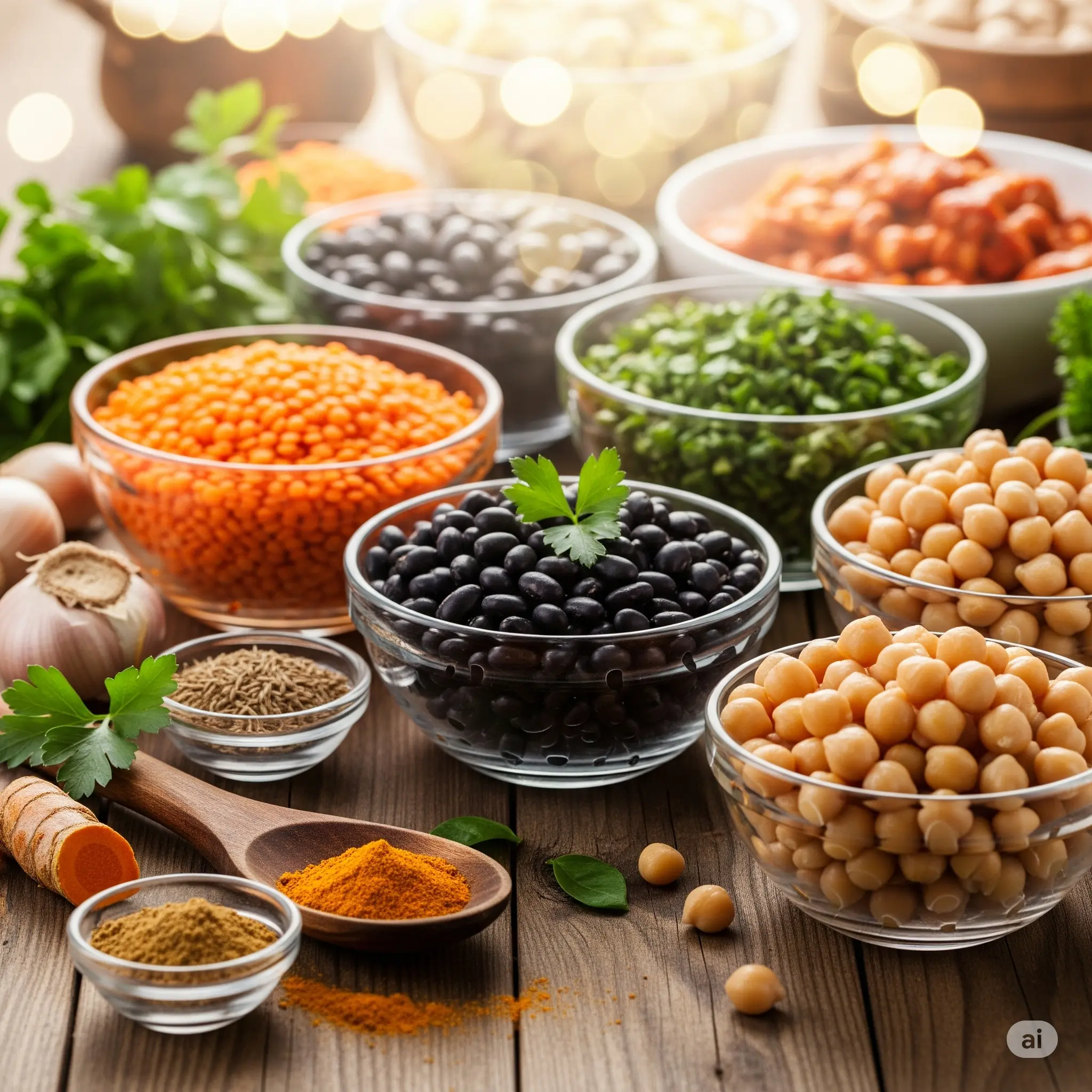
Welcome to the heart of the Smart Kitchen, where flavor meets incredible economy! For too long, pulses – the magnificent family of lentils, beans, and chickpeas – have been underestimated. These unassuming powerhouses are not only packed with nutrition but are also a dream come true for anyone looking to stretch their grocery budget and create truly delicious, satisfying meals without breaking the bank.
Here at Infinitas Minds, I’m all about smart, practical solutions that empower your home cooking and save you money.
This comprehensive guide is your definitive blueprint to mastering the versatile power of pulses. Forget bland, boring, or complicated dishes; we’re talking about unlocking a world of culinary possibilities that are incredibly budget-friendly.
Get ready to discover how lentils, beans, and chickpeas can transform your cooking, reduce your food costs, and become the unsung heroes of your weekly menu.
Let´s have a deeper understanding of how to leverage these economical ingredients to create flavorful, nutritious, and stress-free meals that truly make a difference to your wallet and your well-being. Are you ready to embrace the versatile power of pulses? Let’s get cooking!
Understanding Pulses: Why Lentils, Beans, and Chickpeas are Your Budget-Friendly Superheroes
What exactly are pulses, and why should they be a staple in your kitchen? Pulses are the edible seeds of legume plants, including lentils, beans, chickpeas, and dried peas. They are distinct from fresh legumes (like green beans or peas) because they are harvested dry. Incredibly, these humble ingredients are nutritional powerhouses and true champions of home economy.
Here’s why lentils, beans, and chickpeas are your budget-friendly superheroes:
- Protein Powerhouse: They are an excellent source of plant-based protein, making them a fantastic and inexpensive alternative to meat.
- Fiber Rich: High in dietary fiber, they promote digestive health and keep you feeling full longer, which can prevent overeating and snacking.
- Nutrient-Dense: Packed with essential vitamins and minerals like iron, folate, magnesium, and potassium.
- Incredibly Affordable: Compared to most animal proteins, pulses are exceptionally cheap per serving, making them perfect for budget-friendly recipes.
- Versatile: Their neutral flavor profile allows them to absorb the flavors of your dishes, making them adaptable to a vast array of cuisines and recipes.
- Long Shelf-Life: Dried pulses can be stored for years, making them a fantastic pantry staple for emergencies or simply for convenience.
Understanding these benefits is the first step to truly appreciating the versatile power of pulses in your smart kitchen.
Mastering Pulses for Delicious, Economical Meals
Ready to unlock the full potential of lentils, beans, and chickpeas in your kitchen? The C. Holmes Guide focuses on practical techniques and inspiring ideas to help you master pulses for delicious, truly economical meals. My approach emphasizes simplicity and versatility, ensuring these budget-friendly ingredients become an exciting part of your regular cooking rotation.
This guide will cover:
- Essential cooking techniques for dried and canned pulses.
- Diverse, budget-friendly recipes highlighting the versatility of each pulse type.
- Creative ways to use cooked pulses beyond the main dish.
- Smart storage tips to maximize freshness and prevent waste.
By following this blueprint, you’ll gain confidence in cooking with pulses, transforming them into flavorful, satisfying, and wallet-friendly meals that everyone will love.
Essential Techniques for Cooking Pulses: From Dry to Done
While canned pulses offer convenience, cooking them from dry is often more economical and allows for better control over texture and flavor. Mastering these essential techniques is fundamental to successfully incorporating pulses into your budget-friendly recipes.
- Cooking Dried Beans & Chickpeas (Soaking is Key!):
- Soaking: For most beans and chickpeas, soaking overnight (8-12 hours) in cold water is recommended. This reduces cooking time, aids digestion, and results in a more evenly cooked pulse. Discard soaking water before cooking.
- Quick Soak Method: If you’re short on time, cover beans/chickpeas with water, bring to a boil for 2 minutes, then remove from heat, cover, and let sit for 1 hour. Drain.
- Cooking: Place soaked pulses in a large pot, cover with fresh water (about 2-3 inches above the pulses). Bring to a boil, then reduce heat, cover partially, and simmer until tender (cooking time varies from 45 minutes to 2 hours, depending on the pulse and freshness). Avoid adding salt until pulses are tender, as it can toughen the skins.
- Cooking Dried Lentils (No Soaking Required!):
- Lentils cook relatively quickly and generally don’t require soaking. Rinse them thoroughly under cold water before cooking.
- Cooking: Combine 1 cup of lentils with 3 cups of water or broth. Bring to a boil, then reduce heat, cover, and simmer until tender.
- Red Lentils: 15-20 minutes (break down easily, great for purees/soups).
- Brown/Green Lentils: 20-30 minutes (hold their shape better).
- Puy/Black Lentils: 25-35 minutes (retain shape well, excellent for salads).
- Using Canned Pulses (Quick & Easy):
- Rinse Thoroughly: Always drain and rinse canned beans/chickpeas thoroughly under cold water before use. This removes excess sodium and improves flavor.
By mastering these simple cooking techniques, you’ll unlock the true potential of pulses for your budget-friendly recipes.
Budget-Friendly Recipes: Versatile Dishes Featuring Lentils, Beans, and Chickpeas
Here are some of my favorite budget-friendly recipes that showcase the incredible versatility and economy of lentils, beans, and chickpeas. These dishes are designed to be flavorful, easy to make, and perfect for stretching your grocery budget.
1. Hearty One-Pot Lentil & Vegetable Stew
This warming stew is a complete meal in itself, packed with flavor and nutrients. It’s incredibly forgiving and perfect for using up leftover vegetables. (This is a fantastic one-pot meal for minimal cleanup! Check out our guide on “Mastering the Art of One-Pot Meals” for more tips).
Ingredients:
- 1 tbsp olive oil
- 1 onion, chopped
- 2 carrots, chopped
- 2 celery stalks, chopped
- 2 cloves garlic, minced
- 1 cup brown or green lentils, rinsed
- 6 cups vegetable broth (homemade for extra savings!)
- 1 (14.5 oz) can diced tomatoes, undrained
- 1 tsp dried thyme
- 1/2 tsp dried rosemary
- Salt and black pepper to taste
- 2 cups chopped mixed vegetables (e.g., zucchini, spinach, potatoes, bell peppers – use your leftovers!)
- Fresh parsley, chopped, for garnish (optional)
Instructions:
- Heat olive oil in a large pot or Dutch oven over medium heat. Add onion, carrots, and celery. Sauté until softened, about 5-7 minutes.
- Add minced garlic and cook for 1 minute more until fragrant.
- Stir in rinsed lentils, vegetable broth, diced tomatoes (undrained), thyme, and rosemary. Bring to a boil.
- Reduce heat to low, cover, and simmer for 20-25 minutes, or until lentils are almost tender.
- Add your chopped mixed vegetables (leftovers are great here!). Continue to simmer, uncovered, for another 10-15 minutes, or until all vegetables and lentils are tender.
- Season with salt and pepper to taste. Garnish with fresh parsley if desired. Serve hot.
2. Black Bean Burgers: Economical & Flavorful Patties
Forget expensive store-bought veggie burgers! These homemade black bean burgers are incredibly flavorful, easy to make, and perfect for meal prep.
Ingredients:
- 1 (15 oz) can black beans, rinsed and drained (or 1.5 cups cooked dried black beans)
- 1/2 cup breadcrumbs (homemade from stale bread for economy!)
- 1/4 cup finely chopped onion
- 1/4 cup finely chopped bell pepper (any color)
- 1 clove garlic, minced
- 1 tbsp olive oil
- 1 tsp cumin
- 1/2 tsp smoked paprika
- Salt and black pepper to taste
- Hamburger buns and toppings for serving
Instructions:
- In a large bowl, mash the black beans with a fork until mostly mashed but still with some texture.
- In a small skillet, heat olive oil over medium heat. Sauté onion, bell pepper, and minced garlic until softened, about 5 minutes.
- Add the sautéed vegetables to the mashed black beans. Stir in breadcrumbs, cumin, smoked paprika, salt, and pepper. Mix well until combined.
- Form the mixture into 4 patties.
- Cook the patties: You can pan-fry them in a little oil over medium heat for 4-5 minutes per side until golden brown and heated through, or bake them at 375°F (190°C) for 20-25 minutes, flipping halfway.
- Serve on buns with your favorite toppings.
3. Speedy Chickpea Salad Sandwiches (No-Cook Recipe!)
This no-cook recipe is a fantastic, quick, and economical alternative to tuna or chicken salad. Perfect for lunches!
Ingredients:
- 1 (15 oz) can chickpeas, rinsed and drained (or 1.5 cups cooked dried chickpeas)
- 1/4 cup mayonnaise (or vegan mayo)
- 2 tbsp finely chopped celery
- 2 tbsp finely chopped red onion
- 1 tbsp fresh dill, chopped (optional)
- 1 tsp Dijon mustard
- Salt and black pepper to taste
- Bread or lettuce cups for serving
Instructions:
- In a medium bowl, mash the rinsed and drained chickpeas with a fork until mostly mashed but still with some texture.
- Add mayonnaise, celery, red onion, dill (if using), and Dijon mustard. Mix well.
- Season with salt and black pepper to taste.
- Serve on your favorite bread, in lettuce cups, or as a dip with crackers.
These budget-friendly recipes prove that pulses are not only economical but also incredibly versatile and delicious!
Beyond the Recipe: Creative Uses & Storage Tips for Cooked Pulses
Once you’ve cooked a batch of lentils, beans, or chickpeas, their versatility extends far beyond just these recipes. Incorporating cooked pulses into other dishes is a fantastic way to maximize flavor, nutrition, and stretch your grocery budget even further.
- Add to Salads: Toss cooked chickpeas (roasted for extra crunch!), lentils, or black beans into any green salad for a boost of protein and fiber.
- Boost Soups & Stews: Already made a soup? Stir in some cooked beans or lentils during the last 10 minutes of cooking for added substance and nutrition.
- Make Dips & Spreads: Puree cooked chickpeas with tahini, lemon, and garlic for homemade hummus. Mash cannellini beans with herbs and olive oil for a delicious spread for toast.
- Enhance Grain Bowls: Combine cooked pulses with roasted vegetables (like those from our “Roasting Vegetables” guide), your favorite grain, and a dressing for a hearty meal.
- Sneak into Sauces: Blend cooked red lentils into pasta sauces or curries to thicken them and add nutrients without altering flavor significantly.
Storage Tips for Cooked Pulses:
- Refrigerator: Cooked pulses can be stored in airtight containers in the refrigerator for 3-5 days.
- Freezer: Cooked pulses freeze exceptionally well! Portion them into freezer-safe bags or containers (e.g., 1.5-cup portions, equivalent to one can) and freeze for up to 3 months. Thaw overnight in the fridge or quickly in the microwave. This is ideal for meal prep and ensures you always have pulses on hand.
By thinking “beyond the recipe,” you’ll discover countless ways to use the versatile power of pulses, making your kitchen even smarter and more economical.
FAQs: Your Pulses & Budget-Friendly Recipes Questions Answered by C. Holmes
Here are answers to common questions I receive about pulses and budget-friendly recipes:
- Do I always have to soak dried beans and chickpeas? While technically you can cook unsoaked beans, soaking (especially overnight) significantly reduces cooking time, makes them easier to digest, and helps them cook more evenly. For lentils, soaking is not necessary.
- How can I make canned beans taste better? Always rinse them thoroughly under cold water before use to remove excess sodium and starchy liquid. Sauté them with aromatics (garlic, onion, spices) before adding to a dish. A little acid (lemon juice, vinegar) or fresh herbs can also brighten their flavor.
- Are pulses healthy? Yes! Pulses are incredibly nutritious. They are a great source of plant-based protein, dietary fiber, and various vitamins and minerals, contributing to heart health, stable blood sugar, and healthy digestion.
- Can I cook a large batch of pulses for the week? Absolutely! Cooking a large batch of dried beans or chickpeas is a fantastic meal prep strategy. Once cooked, store them in airtight containers in the fridge for up to 5 days, or freeze portions for up to 3 months.
- What’s the difference between lentils, beans, and chickpeas in cooking?
- Lentils: Cook fastest, don’t require soaking. Red lentils break down easily (great for soups/purees), while green/brown/Puy lentils hold their shape better.
- Beans: Require soaking and longer cooking. Come in many varieties (black, kidney, navy, cannellini) with diverse textures and flavors, great for stews, chilis, and salads.
- Chickpeas (Garbanzo Beans): Have a firm, slightly nutty texture. Excellent roasted, mashed into spreads (hummus!), or added whole to salads and curries.

C. Holmes is the keen analytical mind behind Infinitas Minds, a blog dedicated to revolutionizing the way we approach home economics. With a meticulous eye for detail and a passion for logical solutions, C. Holmes tackles everyday challenges to reveal hidden opportunities for efficiency and savings. His mission is to simplify life, spark innovation, and offer practical, insightful approaches for navigating our often-complex world with greater ease and financial clarity.
Driven by a belief that true mastery of home economics lies in understanding the ‘why’ and ‘how’ behind every decision, C. Holmes curates comprehensive guides, actionable experiments, and groundbreaking perspectives. Expect a blend of sharp analysis, creative problem-solving, and a touch of ingenuity in every piece, empowering readers to transform their homes into havens of efficiency and peace.