
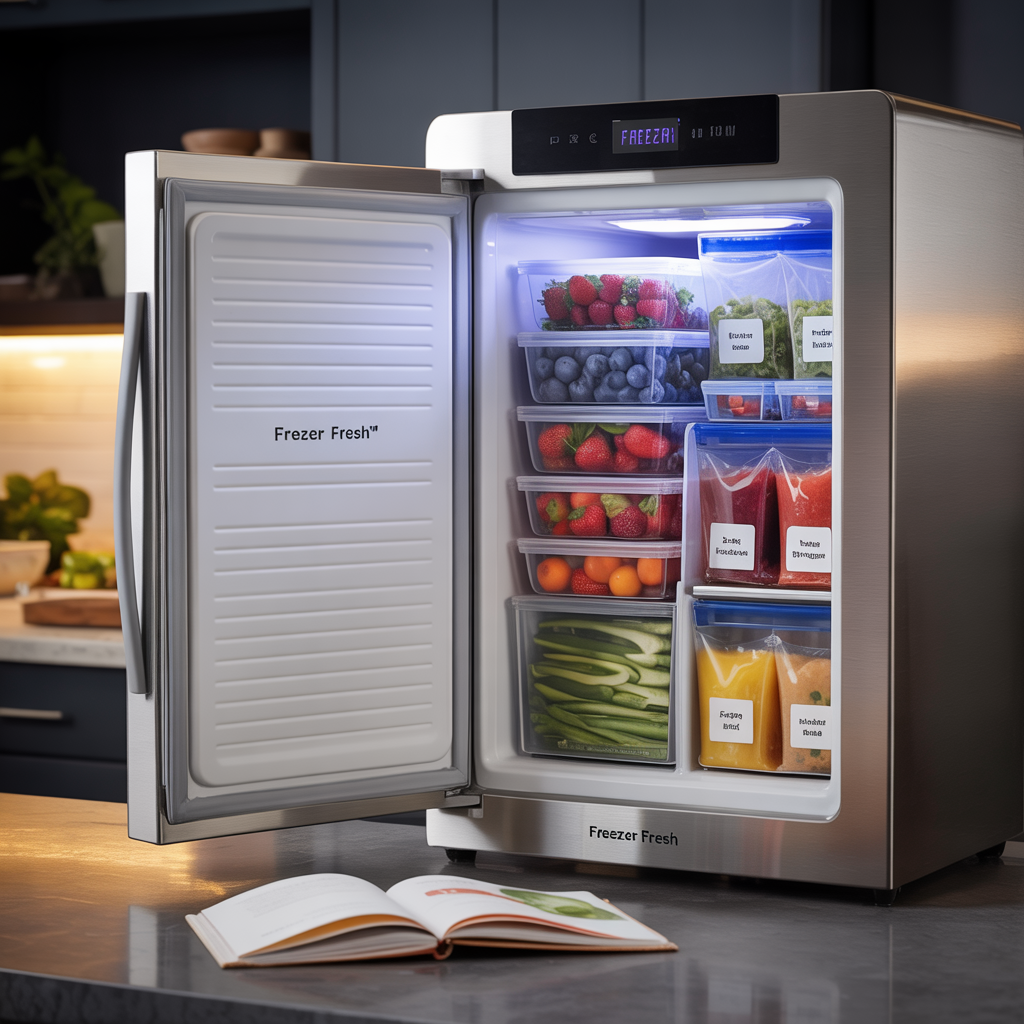
Do you ever find yourself throwing away forgotten leftovers, wilting produce, or that last bit of a bulk purchase you couldn’t quite finish? Food waste is a significant drain on our wallets and a burden on the planet. But what if you could transform your freezer from a mere icebox into a powerful tool for extending food life, cutting down on waste, and saving serious money?
Here at Infinitas Minds, I believe in smart kitchen solutions that make your home life easier, more sustainable, and exceptionally budget-friendly.
This comprehensive guide, brought to you by C. Holmes, is your definitive blueprint to mastering home freezing. Forget freezer burn and mystery meals; we’re talking about unlocking precise techniques to preserve everything from fresh produce to cooked meals, ensuring peak flavor and quality when you’re ready to enjoy them.
Get ready to reclaim your food budget, streamline your meal prep, and drastically reduce what ends up in the bin.
You won’t just know how to freeze food; you’ll understand the why behind proper home freezing techniques, empowering you to make the most of every ingredient and enjoy convenient, delicious meals year-round. Are you ready to embrace the power of your freezer? Let’s get started!
Understanding the Freezer Advantage: Why Home Freezing is Your Ultimate Kitchen Ally for Savings & Sustainability
Your freezer is much more than just a place to store ice cream. It’s a powerhouse of food preservation, a silent hero in your quest for a more economical and sustainable home. Yet, many of us underutilize its potential, often leading to freezer-burned disappointments or forgotten items.
Understanding the “freezer advantage” is key to making home freezing your ultimate kitchen ally:
- Significant Savings:
- Bulk Buying: Purchase items on sale or in bulk, then freeze portions for later use.
- Leftover Resurrection: Transform single servings or small amounts of leftovers into future meals, eliminating food waste.
- Seasonal Savings: Freeze seasonal produce when it’s at its cheapest and most flavorful, enjoying it all year long.
- Drastically Reduces Food Waste: By properly preserving food before it spoils, you prevent perfectly good ingredients from being thrown away, directly impacting your budget and the environment.
- Meal Prep & Convenience: Freeze pre-chopped ingredients, cooked components, or entire meals for quick and easy weeknight dinners. This streamlines your cooking process immensely.
- Always Have Ingredients on Hand: No more last-minute grocery runs for a missing ingredient. Your freezer becomes a well-stocked pantry.
- Preserves Nutrition: Freezing locks in nutrients, often better than canning or dehydrating, as it halts microbial growth and enzyme activity.
Embracing home freezing is a strategic move towards a more efficient, economical, and waste-conscious kitchen.
The C. Holmes Blueprint: Essential Principles for Mastering Home Freezing (From Prep to Perfect Thaw)
Ready to unlock the full potential of your freezer? The C. Holmes Blueprint for home freezing focuses on essential principles that ensure your frozen foods retain their quality, flavor, and nutritional value. This isn’t just about tossing food into a bag; it’s about smart preparation that guarantees delicious results later.
Here’s your step-by-step guide to mastering the freeze:
- Start with Quality: Only freeze food that is fresh and in good condition. Freezing doesn’t improve quality; it merely pauses degradation.
- Proper Preparation: Follow specific prep methods for different food types (e.g., blanching vegetables, portioning meats).
- Optimal Packaging: Use freezer-safe containers that minimize air exposure to prevent freezer burn.
- Labeling is Non-Negotiable: Clearly label every item with its contents and date.
- Freeze Quickly, Thaw Safely: Rapid freezing preserves quality, and proper thawing is crucial for food safety.
This blueprint will empower you to confidently extend your food’s life, turning your freezer into a powerful asset.
Freezing by Food Type: Best Practices for Preserving Fruits, Vegetables, Meats, and More
Different foods require different freezing techniques to maintain their texture, flavor, and nutritional integrity. Mastering home freezing means understanding the best practices for each food type.
Freezing Fruits: Sweet Success for Smoothies & More
- Best for Freezing: Berries (strawberries, blueberries, raspberries), sliced bananas, peaches, mangoes, grapes.
- Preparation:
- Wash and Dry Thoroughly: Essential to prevent ice crystals.
- Single Layer Freeze (Flash Freeze): Spread fruit (whole berries, sliced fruit) in a single layer on a baking sheet lined with parchment paper. Freeze until solid (1-2 hours).
- Transfer to Freezer Bag: Once solid, transfer to a freezer-safe bag, pressing out as much air as possible before sealing.
- Uses: Perfect for smoothies, baking, or thawing for compotes.
Freezing Vegetables: The Blanching Advantage for Vibrant Results
- Best for Freezing: Broccoli, cauliflower, green beans, peas, carrots, corn, spinach, bell peppers.
- Preparation (Blanching Recommended!): Blanching (briefly boiling then rapidly chilling in ice water) is crucial for most vegetables. It inactivates enzymes that cause spoilage, preserving color, flavor, and nutrients.
- Wash & Chop: Prepare vegetables (e.g., broccoli florets, sliced carrots).
- Blanch: Boil a pot of water. Add veggies, blanch for 1-3 minutes (time varies by veggie).
- Ice Bath: Immediately transfer to an ice water bath to stop cooking.
- Dry Thoroughly: Pat dry completely.
- Flash Freeze: Spread in a single layer on a baking sheet. Freeze until solid.
- Transfer: Move to a freezer-safe bag, removing as much air as possible.
- Uses: Great for stir-fries, soups, casseroles, or as quick side dishes.
Freezing Meats, Poultry, and Fish: Safe Storage & Quality Preservation
- Preparation: Portion raw meat/poultry/fish into meal-sized servings. Remove any excess fat or bones if desired.
- Packaging: Wrap tightly in plastic wrap, then aluminum foil, and finally place in a freezer-safe bag or container. This triple layer minimizes air exposure and prevents freezer burn.
- Ground Meat: Flatten ground meat into thin patties or disks in freezer bags for quicker thawing.
- Longevity: Most raw meats last 6-12 months. Fatty fish (like salmon) are best used within 3 months.
- Safety Tip: Always thaw raw meat in the refrigerator, not at room temperature.
Freezing Cooked Meals & Leftovers: Convenience Unlocked for Busy Weeknights
- Preparation: Allow cooked meals or leftovers to cool completely to room temperature before freezing. Freezing hot food can raise the freezer temperature and affect other items.
- Portioning: Divide into individual or family-sized portions in freezer-safe containers. This makes grabbing a quick meal effortless.
- Best for Freezing: Soups, stews, chilis, casseroles, pasta sauces, cooked grains (rice, quinoa), cooked pulses (like those from our “The Versatile Power of Pulses” article).
- Containers: Use airtight, freezer-safe containers or heavy-duty freezer bags. If using bags, lay them flat to freeze for easy stacking.
- Uses: Ideal for meal prep and ensuring stress-free weeknight dinners. (Our “Meal Prep for the Real World” guide offers more insights).
Freezing Dairy & Eggs: Surprising Possibilities for Smart Cooks
Yes, you can freeze some dairy and eggs, but with specific techniques!
- Milk: Can be frozen in its original carton or transferred to a freezer-safe container (leave headspace for expansion as it thaws). Best for cooking/baking after thawing, as texture might change slightly.
- Butter: Freezes exceptionally well in its original packaging for up to 6 months.
- Cheese: Hard cheeses (like cheddar, mozzarella) can be frozen, but their texture might become crumbly after thawing, making them better for grating. Soft cheeses generally don’t freeze well.
- Eggs: Do NOT freeze eggs in their shells (they will crack). Crack them into an airtight container, whisk gently (yolks and whites together, or separate), and label. Perfect for baking or scrambling after thawing.
By understanding these food-specific techniques, your home freezing becomes a versatile tool for maximizing food longevity.
Your Freezer Toolkit: Essential Containers & Smart Labeling for Optimal Home Freezing
The right tools make all the difference in successful home freezing. Investing in a basic “freezer toolkit” ensures your food stays fresh, organized, and easy to find, maximizing its economic value.
- Airtight, Freezer-Safe Containers:
- Glass Containers: Durable, eco-friendly, great for reheating directly. Ensure they are freezer-safe (tempered glass).
- BPA-Free Plastic Containers: Lightweight, stackable, and often more budget-friendly.
- Vacuum Sealer & Bags: The ultimate tool for preventing freezer burn. Removes almost all air, significantly extending food life. A smart investment for serious freezers.
- Heavy-Duty Freezer Bags: Thicker than regular storage bags, they offer better protection against freezer burn. Ideal for flash-frozen items or flattening ground meat.
- Aluminum Foil: Excellent for an extra layer of protection around wrapped meats or casseroles before bagging.
- Parchment Paper/Wax Paper: Useful for separating layers of food (e.g., burger patties, pancakes) before freezing to prevent sticking.
- Markers & Freezer Tape/Labels:Absolutely essential! This is non-negotiable. Clearly label every item with:
- Contents: What is it? (e.g., “Chicken & Veggie Bake,” “Chopped Broccoli,” “Ground Beef”)
- Date Frozen: When was it frozen? (e.g., “06/07/25”)
- Portion Size (Optional but helpful): (e.g., “2 servings,” “1 lb”)
A well-equipped and properly labeled freezer is the cornerstone of effective home freezing, preventing mystery items and ensuring culinary success.
Beyond the Freeze: Thawing Safely & Creative Uses for Your Frozen Stash
Freezing is half the battle; thawing safely and then creatively utilizing your frozen stash is the other half. Knowing how to properly thaw foods maintains quality and prevents bacterial growth, while versatility maximizes your home freezing efforts.
- Thawing Safely (Crucial for Food Safety):
- Refrigerator Thaw: The safest method. Transfer food from the freezer to the refrigerator 24-48 hours before you plan to use it. Large items like roasts can take several days.
- Cold Water Thaw: For faster thawing, place food (in its sealed, leak-proof packaging) in a bowl of cold water, changing the water every 30 minutes. This is faster than the fridge but requires more attention.
- Microwave Thaw: Use the defrost setting. Cook immediately after thawing, as parts may begin to cook.
- Cook from Frozen: Some foods (like frozen vegetables, pre-formed burger patties, or small cuts of meat) can be cooked directly from frozen. Check recipes for specific instructions.
- Never thaw at room temperature.
- Creative Uses for Your Frozen Stash:
- Smoothie Packs: Freeze individual portions of chopped fruit and greens in bags for quick morning smoothies.
- Soup Starters: Freeze chopped onions, celery, and carrots together for a ready-made soup base.
- Herb Cubes: Chop fresh herbs, mix with a little olive oil or water, and freeze in ice cube trays for instant flavor in soups or sauces.
- Leftover Reinvention: Thaw cooked components (rice, roasted vegetables) and combine with fresh ingredients for new meals (e.g., a grain bowl, a quick stir-fry). This seamlessly integrates with your meal prep strategy.
By mastering safe thawing and thinking creatively, your home freezing efforts will translate into delicious, convenient, and waste-free meals.
Home Freezing: Your Key to a More Efficient, Economical, and Sustainable Kitchen
Mastering home freezing is a transformative skill that extends far beyond merely preserving food. As C. Holmes has shown, by understanding the right techniques for preparation, packaging, and storage, you unlock a powerful tool for significant savings, drastic waste reduction, and unparalleled convenience in your kitchen.
It’s about empowering you to take control of your food supply, ensuring that every ingredient you buy serves a purpose and every meal is both delicious and economical.
Embrace your freezer as the ultimate ally in your smart kitchen. From leveraging bulk purchases to transforming overlooked leftovers, the art of home freezing allows you to live more intentionally, eat more mindfully, and contribute to a more sustainable lifestyle.
Keep experimenting, keep saving, and enjoy the peace of mind that comes with a well-stocked and perfectly organized freezer. Explore more ways to maximize your ingredients and reduce waste in our Smart Kitchen category!
FAQs: Your Home Freezing Questions Answered by C. Holmes
Here are answers to common questions I receive about home freezing:
- What is “freezer burn” and how do I prevent it? Freezer burn occurs when food is exposed to air, causing dehydration and oxidation, leading to dry, discolored spots with lost flavor. Prevent it by using airtight, freezer-safe packaging, pressing out as much air as possible (e.g., with a straw for freezer bags), and using vacuum sealers.
- Can I refreeze thawed food? It’s generally not recommended to refreeze raw meat, poultry, fish, or cooked meals that have been thawed at room temperature. Refreezing can degrade quality and increase the risk of bacterial growth. If thawed safely in the refrigerator, you might be able to refreeze some items, but quality will likely suffer. Cooked dishes made from thawed raw ingredients can usually be refrozen.
- How long does food typically last in the freezer? While food is safe indefinitely in the freezer (at 0°F / -18°C), quality degrades over time. For best quality, most foods last 3-6 months. Fatty meats and fish tend to have shorter quality shelf lives. Always label with the date to track freshness.
- Do I need a special freezer for home freezing? A standard freezer that maintains 0°F (-18°C) or colder is sufficient. Chest freezers are generally more energy-efficient for long-term storage due to less air exchange. Ensure your freezer is not overloaded to allow for proper air circulation.
- How do I make sure my frozen vegetables aren’t soggy after thawing? Blanching is key for most vegetables before freezing, as it stops enzyme activity. When cooking from frozen, avoid thawing first (unless specified). Add frozen vegetables directly to hot dishes (soups, stir-fries) or roast them directly from frozen at a high temperature to maintain texture.

C. Holmes is the keen analytical mind behind Infinitas Minds, a blog dedicated to revolutionizing the way we approach home economics. With a meticulous eye for detail and a passion for logical solutions, C. Holmes tackles everyday challenges to reveal hidden opportunities for efficiency and savings. His mission is to simplify life, spark innovation, and offer practical, insightful approaches for navigating our often-complex world with greater ease and financial clarity.
Driven by a belief that true mastery of home economics lies in understanding the ‘why’ and ‘how’ behind every decision, C. Holmes curates comprehensive guides, actionable experiments, and groundbreaking perspectives. Expect a blend of sharp analysis, creative problem-solving, and a touch of ingenuity in every piece, empowering readers to transform their homes into havens of efficiency and peace.